

Rights Of Tamil Nation Are To Be Restored: An Appeal To Members Of UNHRC

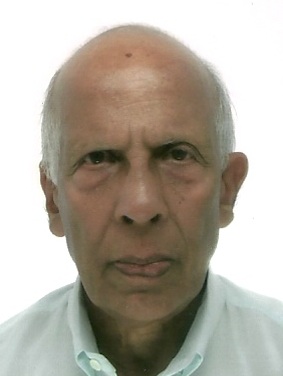
Dr. GK Nathan
An Appeal to United Nation Human Right Council ( UNHRC ) Members of Tamils in Sri Lanka to Act On Rights at the 25 TH session in March 2014
 Historical Facts
Sri Lanka an Island is presently inhabited by multilingual (Sinhala, Tamil and English) multireligious (Buddhists, Hindus, Muslims and Christians) and multiethnic (Sinhala, Tamil, Arab and European descendents) peoples. Sinhala and Tamil Peoples have lived in the Island for a FEW Millennium [1] . THOMAS million Tamils, a Sea-faring Nation, spread the Subcontinent Live Culture in South East Asia and across the Palk straight, were the First Settlers in the Island, As seen in the archeological evidence [2] . Sinhala people claim that they are descendents of people of North Indian Origin, As per Codrington [3] these are mythological stories related to Buddhism and genetic facts contrary to [4] . The belief that Sri Lanka is a Sinhala Buddhist country is the source of Sinhala-Tamil conflict in the Island and it is the reason for continuing religious conflicts with Hindus, Moslems and Christians. Interest in spice trade, attracted European colonial powers to Sri Lanka; first of them the Portuguese landed on the West shores of the Island in 1505, at that time there were three well established "countries" or Kingdoms in the Island: two of them were Sinhala kingdoms one in the South and the other in the Central Hills (Kandyan); the third one a Tamil Kingdom in the North East; two of the three Kingdoms had Tamil Kings. The Kingdoms in the South and the North came under the control of colonial rulers: first the Portuguese, then the Dutch and finally to the British. The British, last of the colonial rulers conquered the Kandyan Kingdom in 1815 and unified the three Kingdoms as one country for administrative convenience in 1833. The Island became independent in 1948, but only safeguard for the rights of minority groups were instituted with unalterable, section 29 (2) of 1946 in the unitary constitution, the UK has some responsibility for the current predicament. After more than six decades of majority rule, the unitary constitution promulgated at the time of Independence is found to be wanting in a multi-ethnic, lingual and religious country like Sri Lanka. The transfer of power in the hands of the Sinhala Buddhist majority community, instead of sharing power as happened prior to colonial era, was the worst that happened to the Island. Last uprising of Tamils against oppression led to a three decades long military conflict which ended in May 2009. The World silently watched war crimes and crimes against humanity that occurred during the final stages of the military conflict; allegedly, by both combatants resulting in the death of large number of Tamils. Members of International Community have International Called for an independent inquiry, As to what Happened in Sri Lanka in breach of International Covenant On Civil and Political Rights (ICCPR) [5] to which Sri Lanka became a signatory On 11 TH June 1980. After acceding to ICCPR, the Government of Sri Lanka (GSL) enacted the Sixth Amendment to the 1978 Constitution of Sri Lanka in August 1983, the article 157A (2) stated that "No political party or other association or organization shall have as one of its aims or objectives the establishment of a separate state within the territories of Sri Lanka "thus denied the democratic rights guaranteed under Articles 26 of ICCPR to the Tamil Nation. The 6 TH Amendment is in contravention of the following articles of ICCPR: Read More
