

On Saving Sri lanka – The Moral Dimension
It must acknowledge that India has a legitimate say in our ethnic problem because of the fall-out in Tamil Nadu. Above all, it must do everything that is humanly possible to make the Northern Provincial Council a success.


By Izeth Hussain -June 14, 2014
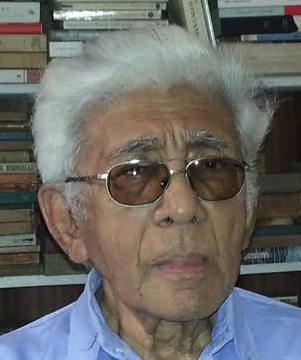
Izeth Hussain
It now seems to be generally agreed that Sri Lanka could enter into a collision course with India if the SL Government continues to shilly-shally over reaching a political solution to the ethnic problem on the basis of devolution. Adverse reactions from India and the Western powers could turn out to be seriously detrimental to Sri Lanka’s interests. What strategy should our Government follow in this situation? I concluded my last article On Collision Course with India? – after pointing out that international relations are determined by power and morality – as follows: “Sri Lanka has no military or economic power worth talking about, and the only way it can come through unscathed is by occupying the moral high ground, in dealing with India and the international community, and above all in dealing with the ethnic problem,”
In this article I want to deal with the question of the moral dimension in international relations, why it counts, and why what might be called “moral power” could count for even more than the hard power of guns and the soft power of economic might or media control. This question can be addressed in many ways. I find it convenient to have recourse to Bertrand Russell’s A History of Western Philosophy which I had occasion to consult recently. He wrote, “Ever since men became capable of free speculation, their actions, in innumerable respects, have depended on their theories as to the world and human life, as to what is good and what is evil. This is as true in the present day as at any former time.”
