

An Open Letter To The High Commissioner For Human Rights – VI

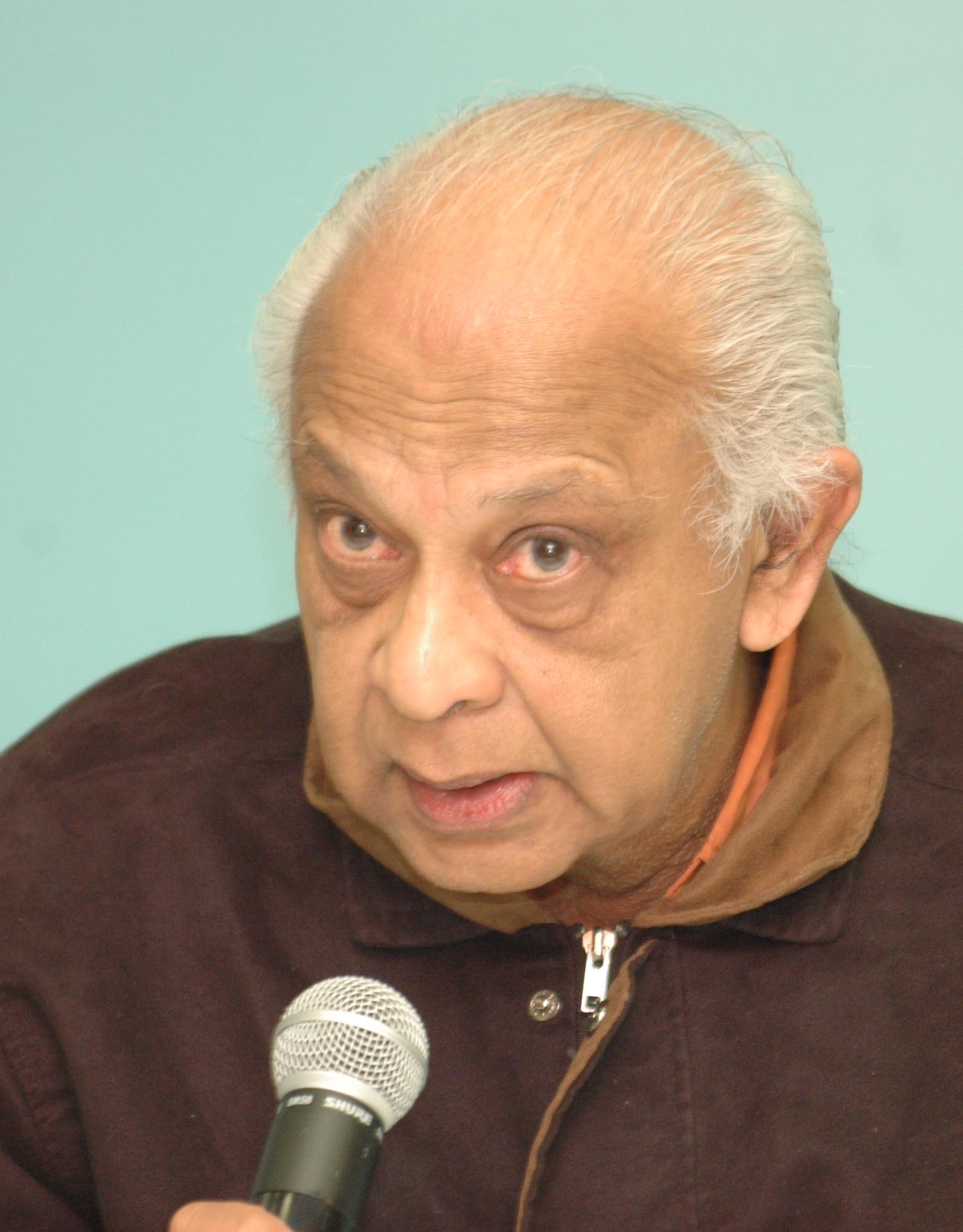
Dr. Brian Senewiratne
 As you know, the Human Rights Council is an inter-governmental body within the United Nations system made up of 47 States responsible for the promotion and protection of all human rights around the globe. To claim that ‘promotion and protection’ of human rights of the Tamil people in the North and East of Sri Lanka by the UN or the UN HRC is arrant nonsense. I will mention just one of these disasters.
May 2009
On 27 may 2009, just a week after the end of the slaughter of Tamil civilians in Sri Lanka’s North and East, the UNHRC passed a deeply flawed Resolution at a ‘Special Session’ on Sri Lanka. It praised Sri Lanka whose Armed Forces were responsible for the repeated indiscriminate shelling of civilians. There was not even and expression of concern for the thousands of Tamil civilians killed and 350,000 men, women and children locked up in the largest open air detention centre in the world. The gross violation of human rights and humanitarian law committed by the Armed Forces was ignored. The crucial message that the Sri Lankan government needed to hear – to ensure access to displaced civilians and uphold human rights – was not sent. This undermined the very purpose of the Council.
The majority of Council members, including China, South Africa and Uruguay, ignored a call for accountability and justice for the victims by the then High Commissioner for Human Rights, Navanethem Pillay. She called for an independent international investigation into violations of international human rights and humanitarian Law: ”The images of terrified and emaciated women, men and children fleeing the battle zone ought to be etched in our collective memory, We must act”.
Instead, the resolution reaffirmed the principle of non-interference in the domestic jurisdiction of States, a backward step by the Human Rights Council.
Human Rights Watch in a Report released on the same day (27 May 2009): “Sri Lanka: UN Rights Council Fails Victims. Member States Ignore Need for Inquiry into Wartime Violations” expressed serious concerns.
The Report rightly blamed Ban Ki-moon: “Secretary General Ban Ki-moon regrettably undercut efforts to produce a strong resolution with his recent comments on Sri Lanka. Ban publicly praised the Sri Lankan government for “doing its utmost” and for its “tremendous efforts” while accepting government assurances, repeatedly broken in the past, that it would ensure humanitarian access to civilians in need”.
Ban Ki-moon also distanced himself from the entirely appropriate warnings by the UN Under-Secretary for Humanitarian Affairs, John Holmes, April 2009, that the fighting in Sri Lanka could result in a “bloodbath”. Unlike the UN High Commissioner for Human Rights, Navi Pillay, Ban Ki-moon failed to press for an international inquiry.
The Report ended with: “Secretary General Ban shares the blame for the Human Rights Council’s poor showing on Sri Lanka. This adds to a crisis of confidence in UN bodies to speak out clearly on pressing human rights issues”.
Nikki Haley
As recently as March 29, 2017, Nikki Haley, U.S. Permanent Representative on the U.N. Security Council, dismissed the UNHRC as “so corrupt”. Addressing a meeting on Foreign Relations in New York she said: “I mean, the Human Rights Council is so corrupt that it includes ‘bad actors’ who use it to protect themselves”.
Geoffrey Robertson
The best description of the UN HRC came for Geoffrey Robertson, a world authority on human rights. Soon after the dreadful resolution was passed, the BBC interviewed him. The full interview is on my dvd, Sri Lanka: Genocide, Violation of Human Rights and International Law. Here is a part of what he said:
“The Human Rights Council is a highly politicised body. It is made up, not of experts on human rights, but of paltering diplomats. Europe is allocated only 7 of the 47 seats and we have countries like Russia and China obviously concerned to keep their own internal problems down and away from international oversight. (To ‘palter’ is to talk or act insincerely or deceitfully; to lie or use trickery.)
So the decision (to commend Sri Lanka – which the UNHCR did) is not really surprising. Sri Lanka is a member of this highly politicised Council, despite the efforts of Desmond Tutu and Jimmy Carter last year to stop them gaining membership and they passed this rather self-congratulatory motion.
Although the Human Rights Council has set up an important investigation into the Israeli-Palestinian conflict over Gaza looking at both sides, they weren’t prepared to look at both sides (in the Sri Lankan conflict).
