

Janabalaya Kolombata: A Failed Popularity Stunt

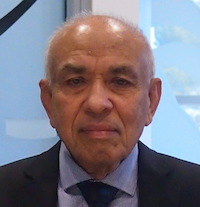
Dr. Ameer Ali
 The Joint Opposition’s September 5th Janabalaya Kolombata, under the aegis of the Rajapaksa clan was nothing more than a popularity test, which failed miserably. JO has been trying to bring down the government from the time it achieved a landslide victory at the local council elections. In a short piece that I published in Colombo Telegraph on 13 February 2018, I said that, “Landslide Does Not Mean Endorsement of MR”. However, that victory no doubt raised high hopes among MR supporters within the SLFP-half of the ruling coalition, which prompted fifteen of its members cross over and sit with the opposition. This did not help MR even to oust the TNA leader, Mr. Sampanthan, as leader of the opposition. The government survived the turbulence and still limping towards finishing its full term of office. It is in this background that the Rajapakse clan organized JC with mercenary participants to test MR’s popularity.
All eye witness accounts confirm that the crowd was not in hundreds but tens of thousands and that too in lower digits. The test was a grand failure. Already there is finger pointing at the failure of the chief organizer, who is none other than MR’s son Namal. Who will be the organizer at the next Janabalaya is yet to be announced. While MR is ageing there is obviously an emerging struggle within the family regarding the possible successor. The real drama is yet to unfold. One is reminded of the recent bloody struggle for succession in Nepal.
One of the criticisms levelled by JO at the yahapalana rulers is that the country is currently descending towards dictatorship and that democracy is endangered. JO is also accusing the government for selling the country to foreigners. May we ask how democratic was MR regime when in power and what happened to those who spoke and wrote against that regime? May we also question which regime started giving the Chinese and Indians outright ownership or renewable long term leases over chunks of Sri Lanka’s commanding heights? Which regime started borrowing from foreigners recklessly and spent lavishly on projects that are now standing as white elephants? JO’s criticism of the current government on these issues is like pot calling the kettle black.
There are two other emotive and dangerous issues on which JO is pointing its finger at the government: one is an accusation that the government is attempting to divide the country through a new constitution; and the other is that the regime is hounding the Buddhist monks for raising concerns about the nation’s security. These accusations are a signal that in its desperation to capture power JO will rekindle the anti-minority emotions of gullible Sinhala-Buddhists to create havoc and damage the tenuous ethno-religious equilibrium prevailing in the country. Such a move will deprive JO of any support from the minorities as happened to MR in 2015.
The real vacuity in the JO campaign is the absence of any credible policy package to tackle the real issues facing the country. To start with, how is JO planning to bring down the rapidly rising cost of living, which is driving ordinary householders resort to extreme measures to make both ends meet? Secondly, how is it going to eradicate corruption, which is so endemic and cancerous that it kills any hope of achieving economic and administrative efficiency and social justice, besides adding to living cost? Where are its remedies to bring down a crippling national debt and achieve budget surplus? How is it going to approach the issue of national reconciliation? Without convincing proposals to present JO cannot expect people to rally behind it just to oust the government.
