

The angels I lost in Gaza
Image on left shows author’s nephews, clockwise from left: Abdelghani (11), Izzedine (5), Emad (9), Issa (7) and, sitting on the floor, Omar (12). Image on right shows author’s nieces and nephews, from left, Marwa (5), Muhammad (12), Marah (11), Suleiman (3) and Yasser (8) as they took shelter in a kindergarten.-Ahmad Abu Amer

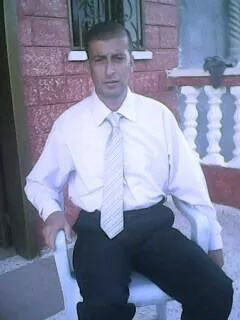
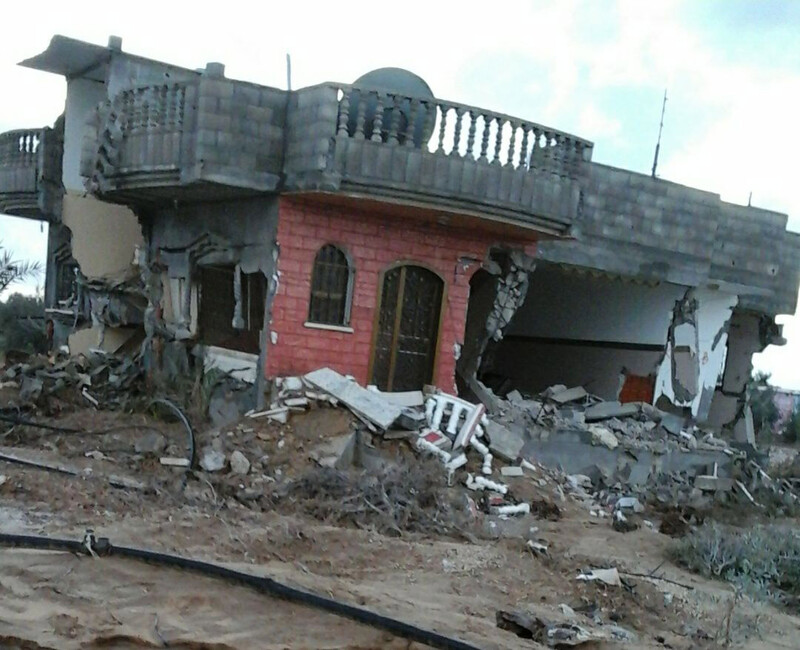
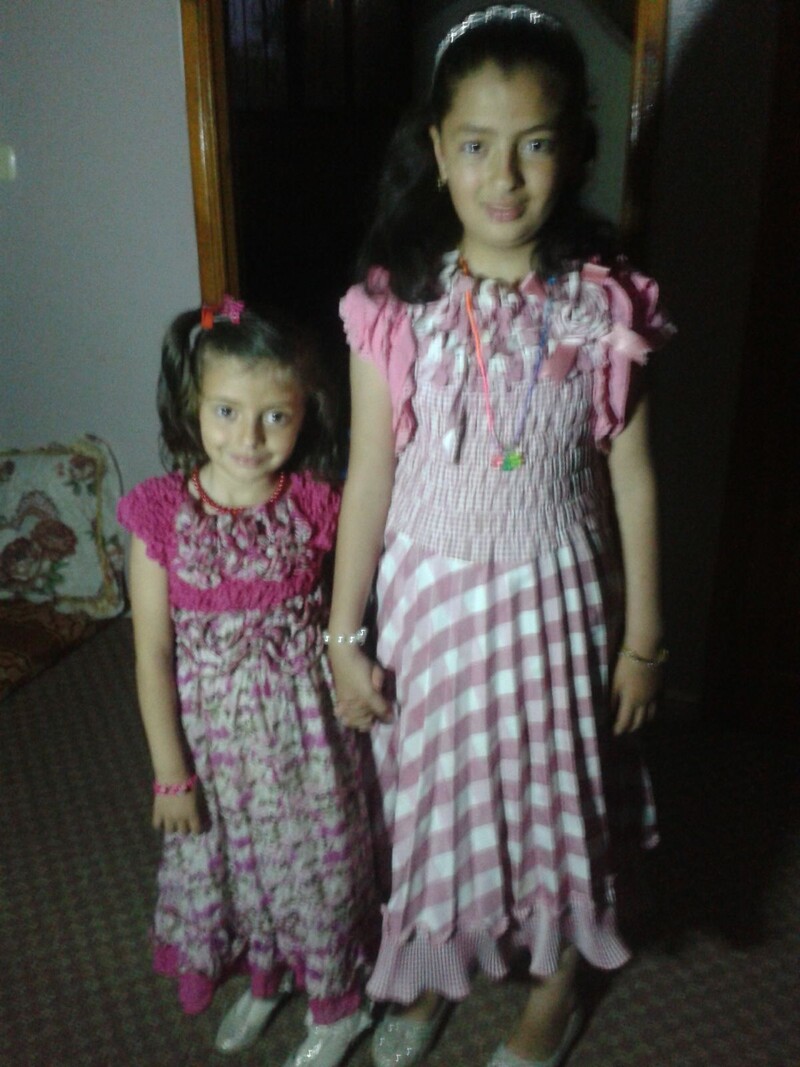
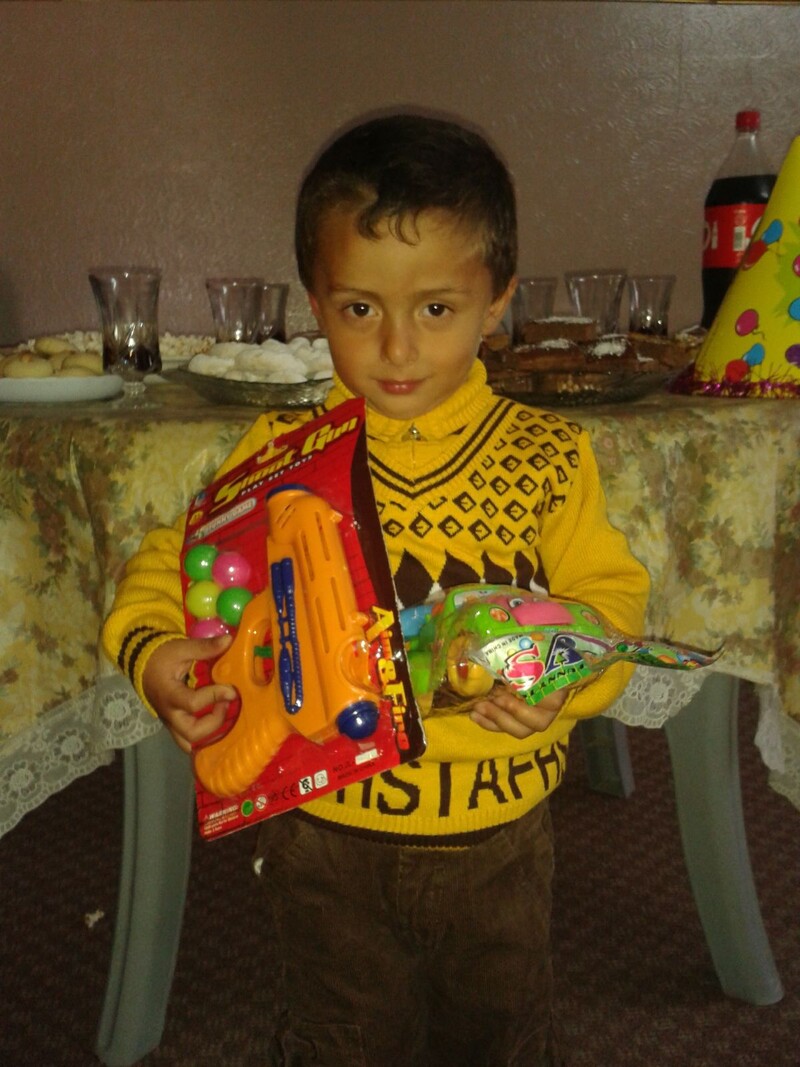
Ahmad Abu Amer’s home, which was destroyed during Israel’s 2014 assault on Gaza. Dozens of olive trees were uprooted on his farm and his land was badly damaged.-Marah (5) and Marwa (10).-Suleiman (3) on what would be his last birthday.

On 28 July, I received what was to be the last call from my family. They reassured me they had evacuated Abassan, our village, to a more secure place in Khan Younis.
But I was not much comforted by the pictures of the kids playing with toys they sent me or their voice messages. I was on edge the entire time: the bombardment had become more aggressive and the number of martyrs had reached 1,500. Thousands were injured.
I woke up on the morning of 29 July panicked from a nightmare. I had a quick breakfast that I was barely able to swallow. I spent the morning glancing constantly at my phone, not straying anywhere from an Internet connection.
Then the WhatsApp messages began. The condolences came streaming in.
Disaster
My world crumbled. I wanted to transport myself from Australia to Gaza in any way possible. I grabbed my phone, hand shaking, and furiously began dialing all the numbers of my family that I could find. There were no answers.
I thought of my sister and the last call, the pictures of my nephews and nieces I received just a few hours ago. My mind raced to my last visit to my sister’s home, how worried she was and how we spoke of not surviving. I could hear the laughter of my nephews and nieces.
I imagined their last moments, their fear. This thought is still stuck in my mind. I will never get rid of it.
Despite the messages I got from friends, I was in denial. Then I finally got through to my brother Mahmoud. “Is what I have heard right?” I screamed down the line. “Is it? Where are my sister and my nephews?”
After a pause, he quietly answered: “Yes sister, we have lost our beloved Oroba and all her family.”
These were my five nephews:
Omar, 12, was the oldest. He seemed so mature even at his young age. He would help and advise his brothers. He had a passion to learn new things every day. I wept remembering the day he taught himself how to use Photoshop to design me a card for my birthday.
Abdelghani, 11, was full of energy. He would visit me in the early hours of the morning and bring me breakfast. We would watch Mr. Bean cartoons, the bungling Brit his all-time favorite.
Emad, 9, was cheeky but could also be quiet and shy like his brother Issa, 7. Izzedine was just 5, the youngest and most adorable whom I always remember returning home one day happy and excited to be starting his first year at school.
One memory kept giving way to another, like a movie reel through my mind.
And then there was Ahmad. There had also been no answer from my brother’s phone. I spent that night mourning the loss of my sister and her children, but holding out some hope that perhaps Ahmad and some of my family, sheltered in the same building, had survived.
I was exhausted.
Return
I found the first news of them a couple of hours later on a Gaza website. Local authorities, it was reported, had pulled their bodies from a building that had been targeted earlier that morning.
What had they done to deserve to feel the wrath of a missile fired from an F-16?
More memories: Muhammad, 12, Yasser, 8.
Suleiman … he was just 3.
Then my nieces, my butterflies and princesses, Marah, 10, Marwa, 5, their simple dreams of just having a peaceful childhood.
I remember them squatting with their cousins over what looked like a grave they had decorated with flowers in the front yard where they would play soccer. Me watching unnoticed.
They said their prayers before I asked what was going on. “We just buried a bird that fell from the tree. We couldn’t help it,” was their answer.
I couldn’t help you, my angels. But that bird will await you in the heavens, your souls will be freed from living in constant fear.
My angels: I have returned to Gaza. I found only your dreams and the memory of your laughter in the rubble of our homes. Your names are still engraved on your seats at school. Your memories motivate your friends to hold onto their dreams and continue life. Your bodies rest beneath the earth in your graves. I can hear your whispers. They won’t leave me.
My beloved angels: It’s been nearly two years since I lost you. I wrote your story to strengthen myself and impress on those who will read it that you taught life. I promise you that I will teach my children to pursue your dreams.
All images courtesy of the author.
Doa’a Abu Amer is a human rights activist and international relations coordinator in the Ministry of Detainees and Ex-detainees’ Affairs in the Gaza Strip. She is also a fundraiser for resilience projects for local organizations in her community.
