

Politics Of Promise: Between Sirisena & Rajapaksa


Asanga Abeygoonasekera
“Those that are most slow in making a promise are the most faithful in the performance of it.” ~ Jean-Jacques Rousseau
On Easter Day, a day of rejoicing and celebration for Christians, shrapnel and ball bearings pierced through innocent civilians in a children’s park in Lahore, where a majority of the victims were children. This disgraceful suicide attack, which killed 69 and injured nearly 400, was a sad day for Pakistan and the region. Days before, another terrorist attack, in Brussels, targeted innocent civilians. The world has become unstable due to terrorism across the globe and the highest priority on the global agenda should be towards combatting it. Without a safe environment, it is difficult to talk economic prosperity, a lesson Sri Lanka learned from its brutal three-decade war. The physical and mental scars that terrorism causes are deep. They are not easy to forget as victims.
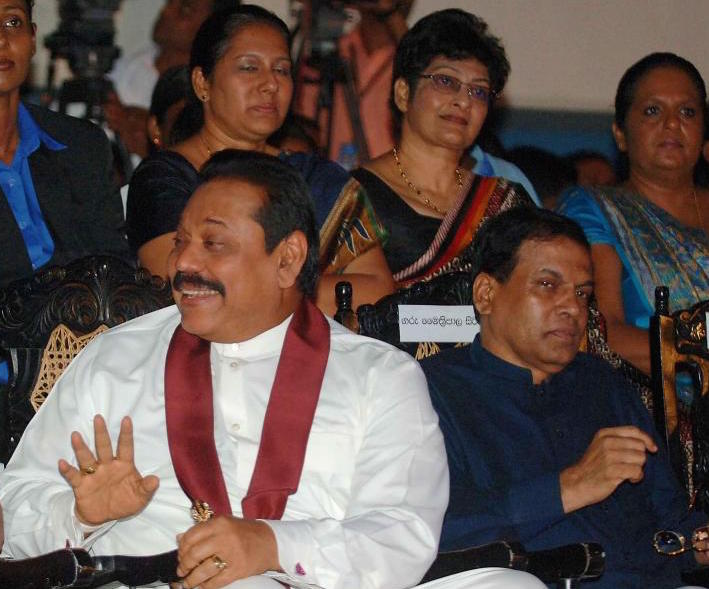 For this, consensus at the highest political level is important. The daunting task of bring the two different political parties with different values – United National Party (UNP) and the Sri Lanka Freedom Party (SLFP) – together, was established a year ago in Sri Lanka. The recent developments within the political party of President Sirisena have not been so positive, with some members being questioned for supporting the former President Rajapaksa at a rally organised in Colombo’s Hyde Park. With the recurring electricity failures, the advantage has moved to the former President, with the creation of the slogan, “Rajapaksa is the President of the street and Sirisena President of the country… give it to me if you can’t.” Sri Lankan civilian engagement with social media on this has been negative, especially given the billions of losses incurred by Sri Lankan Airlines being exposed by a Government Minister. The sentiment is, ‘we have given you the power, so fix it’.