

Five Necessary Transformations & The Legacy Of Madam Bandaranaike
By Jehan Perera –April 11, 2016
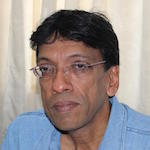
Jehan Perera
 The statesmanlike speech delivered extempore by President Maithripala Sirisena at the commemoration of former Prime Minister Sirimavo Bandaranaike’s 100th birth anniversary on April 7 brought out at least five areas of transformation that the country continues to go through. The president who was the chief guest at the ceremony began his speech with an appreciation of Madam Bandaranaike’s late husband SWRD Bandaranaike who preceded her as the country’s prime minister. The president noted that Prime Minister SWRD Bandaranaike had given political expression to the social forces that existed in the country at that time but which did not yet have their due representation in the polity. They became known as the Pancha Maha Balavegaya – the five great forces of the Buddhist clergy, the workers, the traditional ayurvedic physicians, the teachers, and the farmers — who were in the vanguard of the Sri Lanka Freedom Party’s historic victory back in 1956.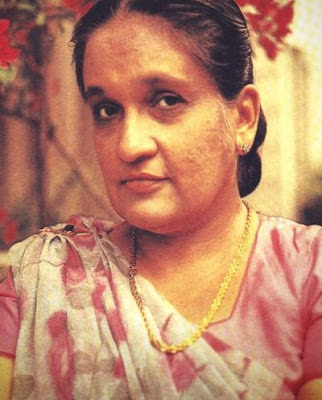
Sirima
President Sirisena’s extraordinary value to the government and to political stability at the present time is his ability to moderate these social forces that his predecessor former President Mahinda Rajapaksa harnessed to the cause of Sinhala nationalism. The backsliding that has been taking place in regard to some of the commitments made by the new government, such as in the case of the Geneva resolution, may cause frustration to sections of the liberal Sri Lankan polity, and to the international community. However, when the president seemingly contradicts his own government’s commitments on the matter of international participation of judges, prosecutors and investigators in the envisaged investigations into war crimes committed by the Sri Lankan military, it is likely that he is being conscious of the present political realities and their volcanic potentials that led to the assassination of Prime Minister SWRD Bandaranaike in 1958.
The president’s second observation was that in a similar manner to her husband’s recognition of the social forces within the country, Madam Bandaranaike gave expression to the aspirations of large numbers of countries that were seeking to emerge from the thrall of colonialism that had oppressed and confined them ideologically and economically. The pinnacle of her achievement came in 1976 when the 5th Summit of Nonaligned Countries was held in Colombo. Prime Minister Sirmavo Bandaranaike chaired the Summit which was attended by 86 countries and was widely considered as a diplomatic triumph of Sri Lanka. The Colombo Summit was significant in that it paved the way for the emergence of a new economic order which had became a focal point of the Nonaligned Movement and helped advance the de-colonization process around the world.
