

CIA photographed detainees naked before sending them to be tortured
Classified pictures showing CIA captives bruised, blindfolded and bound raise new questions about US’s willingness to use ‘sexual humiliation’ on suspects
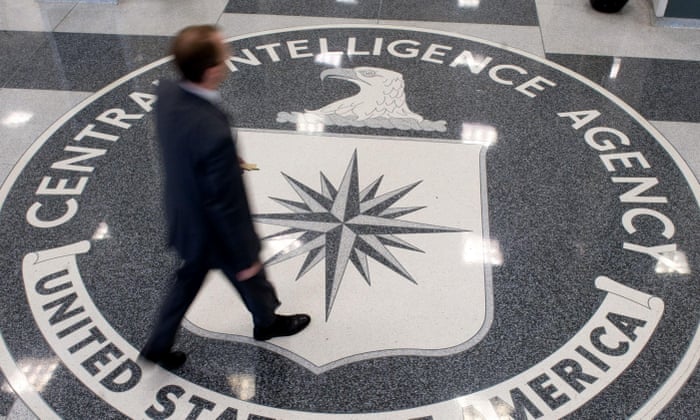
Some human rights campaigners described the act of naked photography on unwilling detainees as a potential war crime by the CIA. Photograph: Saul Loeb/AFP/Getty Images

The CIA took naked photographs of people it sent to its foreign partners for torture, the Guardian can reveal.
A former US official who had seen some of the photographs described them as “very gruesome”.
The naked imagery of CIA captives raises new questions about the seeming willingness of the US to use what one medical and human rights expert called “sexual humiliation” in its post-9/11 captivity of terrorism suspects. Some human rights campaigners described the act of naked photography on unwilling detainees as a potential war crime.
Unlike video evidence of CIA torture at its undocumented “black site” prisons that were destroyed in 2005 by a senior official, the CIA is said to retain the photographs.
In some of the photos, which remain classified, CIA captives are blindfolded, bound and show visible bruises. Some photographs also show people believed to be CIA officials or contractors alongside the naked detainees.
It is not publicly known how many people, overwhelmingly but not exclusively men, were caught in the CIA’s web of so-called “extraordinary renditions”, extra-judicial transfers of detainees to foreign countries, many of which practised even more brutal forms of torture than the US came to adopt. Human rights groups over the years have identified at least 50 people the CIA rendered, going back to Bill Clinton’s presidency.
It is also unclear how many of those rendition targets the CIA photographed naked.
The rationale for the naked photography, described by knowledgeable sources, was to insulate the CIA from legal or political ramifications stemming from their brutal treatment in the hands of its partner intelligence agencies.
Stripping the victims of clothing was considered necessary to document their physical condition while in CIA custody, distinguishing them at that point from what they would subsequently experience in foreign custody – despite the public diplomatic assurances against torture that the US demonstrably collected from countries with a record of torturing detainees.
The Guardian is aware of the identities of some of the detainees photographed naked and is choosing not to disclose them out of concern for their safety and dignity.
