

Govt. Must Educate Importance Of International Participation In Trials
By Veluppillai Thangavelu –February 5, 2016
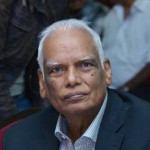
Veluppillai Thangavelu

The Commissioner of Human Rights Council Zeid Ra’ad Al Hussein is scheduled to visit Sri Lanka on January 05, 2016. Apart from meeting the President, Prime Minister, the Opposition Leader and others he will also visit the North to see at first hand the post-war situation there.
The government is still struggling to stabilise the country politically and economically. Many problems related to rehabilitation and re-settlement of thousands of Internally Displaced Persons (IDPs) remain a daunting task to the government. Though more than 6 years have lapsed since the end of the war, thousands of IDPs are still living in welfare centres and make shift huts without basic amenities.
The inordinate delay in releasing private lands acquired by the armed forces to the rightful owners is causing lot of heartburn among them. The IDPs are losing patience after waiting, in some cases, for over 25 years that include 6 years after the war.
The government has appointed a high powered committee to take a census of the lands still under army occupation in order to release them to the owners. According to an army spokesman, lands required for public security will not be released, but adequate compensation will be paid to the owners.
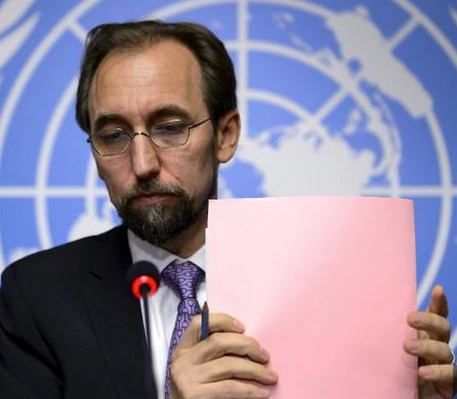
Zeid Ra’ad Al Hussein – The UN High Commissioner for Human Rights
Poverty is a gigantic problem in the North, which is emerging from a 30-year conflict that decimated the area’s economy along with the people’s livelihoods. Those who have been re-settled lack jobs, houses, toilets, drinking water, schools, hospitals etc.
Out of 25 administrative districts, people from 9 districts, including Mullaitivu, Moneragala, Mannar and Batticaloa had a higher rate of poverty in comparison with others. In fact, in Mullaitheevu which faced the brunt of the war, 30% of the people are living below poverty line at national level (UN Annual Report -2015). According to Sri Lanka’s official national poverty line, a person is identified as being poor if his or her real per capita consumption expenditure falls below Rs.3,967 (December 2015) per month.
