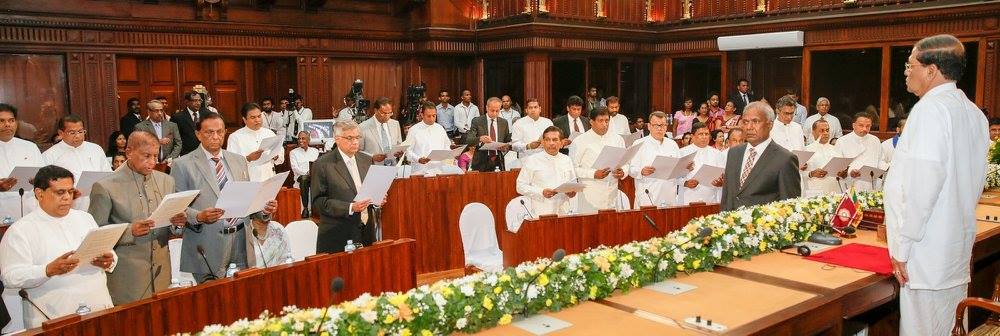
National Government & New Political Culture: Two Steps Forward, One Step Back?
By Jude Fernando –September 5, 2015

Jude Fernando

“The oppressed are allowed once every few years to decide which particular representatives of the oppressing class are to represent and repress them in parliament.” –V.I. Lenin
“The oppressed, having internalized the image of the oppressor and adopted his guidelines, are fearful of freedom. Freedom would require them to reject this image and replace it with autonomy and responsibility.” –Paulo Freire
Forming a national government as the bedrock of a just political culture is a welcome move indeed. While I appreciate the current government’s many efforts toward good governance, I also see that some of those efforts have compromised President Sirisena’s desire to “formulate and implement rational, evidence-based national policies to address this country’s critical issues.” The way the so-called national government is evolving is sowing the seeds of its own demise and paving the way to re-establishing the same political culture it seeks to transform.
The current national government is in fact a coalition and in many ways resembles the previous one. Labeling the coalition a national government suggests that the administration is committed to justice and fairness. This is somewhat disingenuous. The United National Party (UNP) had no intention to form a government prior to the election. The concept of a national government did not emerge from any shared agreement regarding its meaning, nor is it grounded in consensus in terms of the reforms and road map needed to achieve its goals (i.e., a just and fair political culture).