

General Elections & Our Future

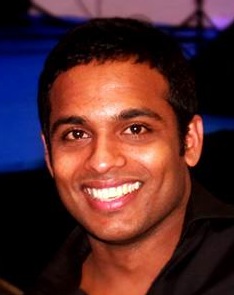
Thanges Paramsothy
What do we learn from the parliamentary election held on the 17th August of 2015? In my opinion, which is shared by some other political analysts as well, the voters have questioned the divisive politics promoted by some narrow nationalist political parties. Exclusivist ethno-religious nationalisms have posed a threat to social harmony in the country. They have divided the people along lines of ethnicity, religion, language and territory. Viewing every single problem in a multi-ethnic, multi-religious country solely through the lens of ethnicity and nationalism creates tension, disharmony and resentment and often instigates individuals and communities to act against one another. We now live in a society where the differences between communities in terms of religion, language and culture need to be respected. One culture or identity is not in any sense inferior or superior to another culture or identity. All the communities on the island need to be treated equally and their dignity should be protected.
 To emphasize the importance of singular imagination does not mean that we disregard the plural character of our polity and embrace the “Sri Lankan identity” (which is often equated with the Sinhala-Buddhist identity by Sinhala-Buddhist nationalism). The Sri Lankan state cannot be associated exclusively with “Sinhala” or “Tamil” or “Muslim” or “upcountry Tamil” or “any other ethnic group.” Sri Lanka a rich mosaic of all and one should not use this identity to create divisions within the people of Sri Lanka. We need to see this identity as common to all even though there are differences in the numerical strength of the different communities and different historical texts state that a particular community or some communities came to this island before others. Read More