

Compulsory Age Of Retirement For Politicians
By Somapala Gunadheera –August 20, 2015
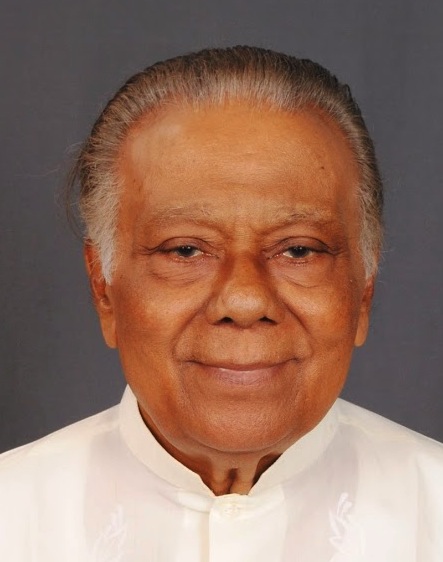
Somapala Gunadheera

Organized employment systems have a set age for retirement. That is but a natural outcome of the basic rules of biological decay. The compulsory age of retirement for public servants is 60. The judicial service has its own limit for retirement which falls a few years later. Even the private sector is governed by a predetermined limit to a service. Of course the self-employed have no such compulsion. They decide when to call it a day intuitively, depending on such factors as physical fitness and returns on investment. In any case, politics is not self-employment. It is supposed to be a service rendered to the nation by public-spirited volunteers. If they mean well, they owe it to their conscience to quit when they are no longer physically fit to do their job satisfactorily, particularly in the presence of thousands, fiddle fit to take on.
Politicians are not governed by retirement limits. Most of them keep returning until they are finally thrown out by the electorate. That happens only after the voters reach the end of their tether. In the meantime, public interest does not receive the optimum benefit from the investment of public funds to keep such hangers on tottering. It was only the other day that Anura Kumara Dissanayake, the Leader of the JVP, remarked that some members of Parliament need the assistance of their colleagues to reach the seats assigned to them. When we joined the public service, in the prime of our youth, we had to submit a certificate of fitness from a qualified doctor but the most decrepit candidate is not called upon to produce an MC with his nomination papers.
 Of course there are politicians who started young but they had not got a proper chance to get involved with the administration of the country, as their Party had been in the opposition for quite a long time. They were not inactive during that period but age has overtaken them by the time they got a chance to govern. It is unfair to write them off now ignoring their past contributions to the Party. But accommodating them at the expense of efficiency is unfair by the people. This dichotomy presents a challenge to political leadership. It is for them to devise a method by which both ends could be served satisfactorily.
The last regime tried to solve the problem by creating a cadre of senior ministers, ostensibly, to accommodate the seniors but the devise did not benefit either the country or the seniors themselves who had to vegetate in a glorified asylum. All members in the pool were not equally old, while there were much older members remaining in the House. Presumably, it was a devise of convenience. The real challenge today is to create space for the veterans to be in the limelight without detriment to the national interest. Read More
