

N. M., Allende & Chavez: Re-reading Three Strategies For Socialism

By Sumanasiri Liyanage –June 11, 2015
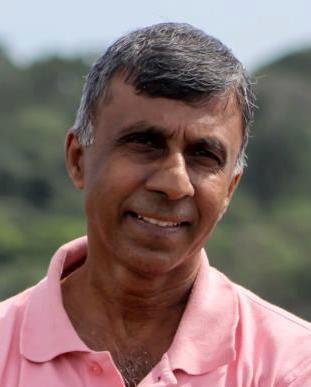
Sumanasiri Liyanage
On the occasion of 110th birth anniversary of Dr. N. M. Perera, a leader of the Lanka Samasamaja Party (LSSP), commentators may praise him as a great democrat and outstanding parliamentarian. It has been generally agreed that N.M (as he was lovingly known) had contributed immensely for the development of parliamentary tradition in Sri Lanka. His critical analysis of the 1978 constitution foresaw the developments that had occurred in the last 37 years. When N.M wanted to replace it with new constitution, he did not just single out the executive presidential system as advanced in the 1978 constitution. People who has been focusing on only this aspect not only misunderstood his argument but also use his name as it was done in the discussion of the 19th amendment to inflate the validity of piecemeal amendments downgrading him just as a proponent of the Westminster tradition. N.M’s concern for democracy and the parliamentary tradition should be read not in isolation but linking them with his life-long effort and struggle to develop a system ensuring human emancipation and freedom. In this light, I propose to re-read N.M comparing him with another two great left leaders of the South, Salvador Allende of Chile and Hugo Chavez of Venezuela. Understanding their commonalities as well as differences would be helpful for young generation of Sri Lanka who are totally disoriented with the present system of exploitation, marginalization, and social exclusion propagated by neoliberalist globalization.
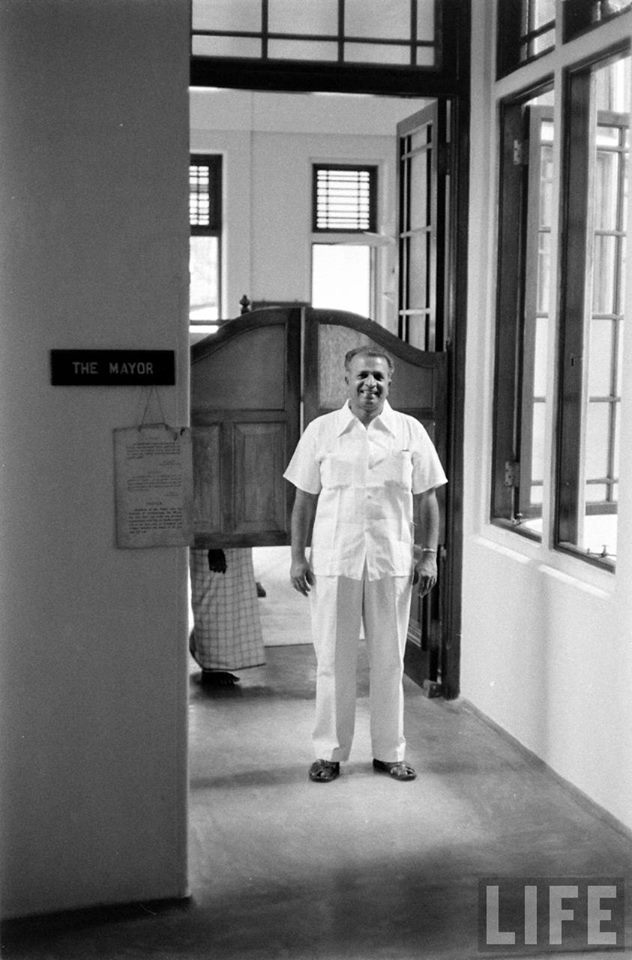
A LIFE magazine image of Dr. N M Perera | Photo Credits – James Burke
I may do an injustice to N. M. Perera and Salvador Allende since I propose to engage in this comparison from the perspective of what is called the 21st Century Socialism, the phrase widely used by Hugo Chavez, the youngest of the three. Nonetheless, from the futuristic point of view, I trust that 21st Century Socialism represents a better perspective. N.M. Perera and Salvador Allende operated in ‘late capitalist’ environment that in multiple ways differs from the current neoliberalist global environment. What are the critical features of the 21st century socialism? Chavez had identified three features: (1) economic transformation; (2) participative and protagonistic democracy in the political sphere; and (3) socialist ethics based on “love, solidarity, and equality between men and women, everybody”. Marta Harnecker has outlined what 21st century socialism should not entail in the following words: “we rejected any lack of democracy, totalitarianism, state capitalist methods, and bureaucratic central planning. We opposed collectivism that sought to standardize without respect for differences, and productivism that emphasized the expansion of productive forces without taking into consideration the need to preserve nature. We also wanted nothing to do with dogmatism, intolerance towards legitimate opposition, attempts to impose atheism by persecuting believers, and the belief that a sole party was needed to lead the process of transition.” In a more constructive sense, she identified five main characteristics of 21st Century socialism as advanced by Bolivarian revolutionaries:Read More
