

Emerging Cultural Emphasis In India’s Foreign Policy Under Modi

By Bandu de Silva –May 29, 2015
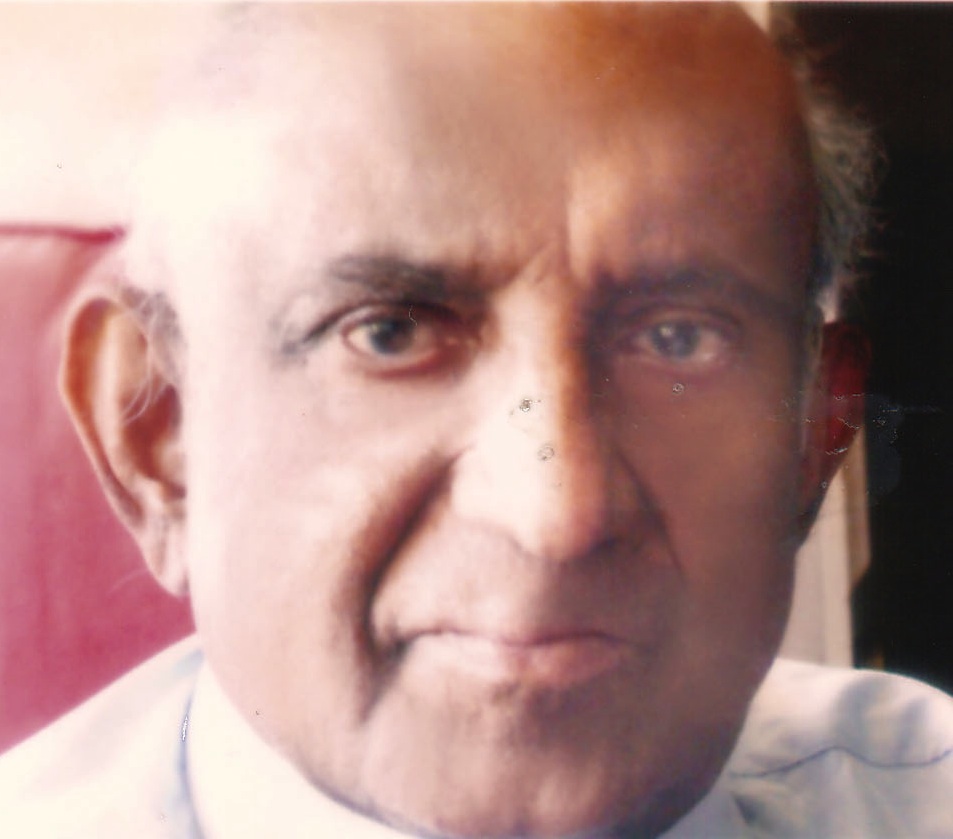
Bandu de Silva
Emerging Cultural emphasis in India’s foreign policy under Modi: The signals from the first “Reaching East” visits
Something not sufficiently articulated, if not altogether missing in the commentaries about Prime Minister Modi’s first official visits to the three countries in the East last week which were euphemistically called “reaching East,” is the notable paradigm shift which is being increasingly used as a tool for foreign policy approach by the new Indian Prime Minister. This is the emphasis on the historical and cultural equation arising from India’s ancient cultural links with Asian countries. This was, as I have been pointing out repeatedly in my writing, a great resource available to Indian diplomacy but one that it had overlooked since independence, in preference first to the imperialist outlook which India inherited from the British Raj and applied in her relations with neighbours; and secondly, the hegemonic diplomacy applied to her immediate neighbours like SriLanka in the 1980s and others. That is to say that the outwardly liberal outlook of Indian leaders like Jawaharlal Nehru at the time of independence, had not been fully successful in liberating Indian thought from the imperialist inheritance left behind by the British; and later, India set herself upon a hegemonic course to safeguard her security interests. The war in former East Pakistan which saw the dismemberment of Pakistan secured India’s east front from a hostile neighbor. Similarly, the war in Sri Lanka, where India was but less involved, also had as its root the achievement of India’s security interests through, the weakening of Sri Lanka’s stability.
 When one peeps into events around mid 1950s one may see India wanting to play a lead role guiding Asian diplomacy and even using such Indian origin terminology like “panchaseela” (Five Precepts) to guide inter-state relations as was demonstrated at the Bandung Conference of 1955 and later applied to Sino-Indian relations. But these culture-related manifestations simmered down after confining them to mere extracting the familiar Indian terminology when strategic competition began to build up with her once chummy Asian neighbor China from 1960s onwards.