

Devolution: Media In Provinces

By Lal Keerthie Fernando –May 20, 2015
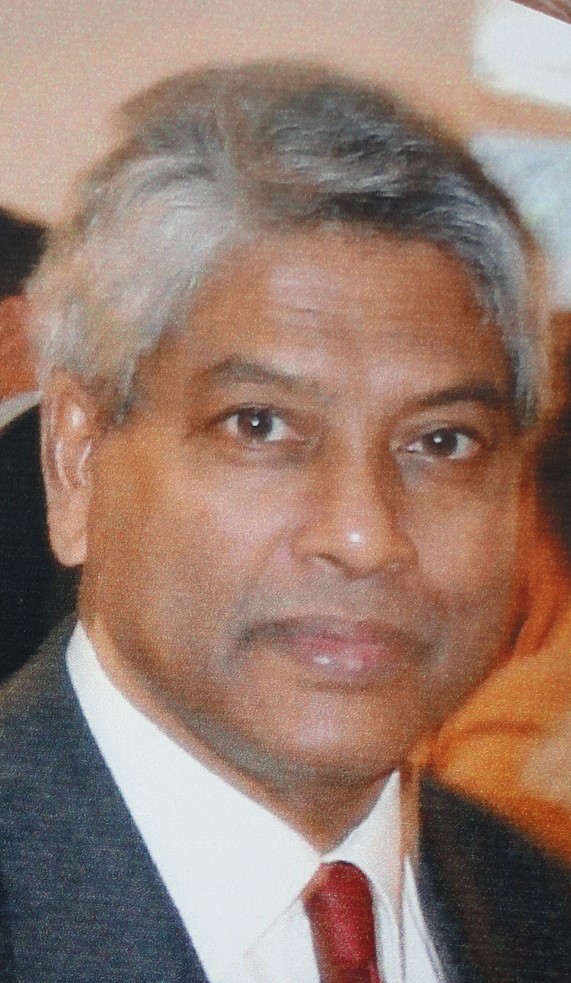
Lal Keerthie Fernando
Access to media, its determination for news and information, is an added advantage, a plus more, in promoting progress in the provinces. The ability of its readership to comprehend, divergence in views related to development has to be understood by media owners and the society in general in the provinces. To mention devolution and not understand the validity of media presentation, will only lead to derelict performances of stake holders. The province fails to absorb the message. The burden of responsibility for good governance fails at local level, causing less concern of the province and its legislators. The centre has been awarded legal rights to ignore the province.
The problem remained, as provinces over the years had been run by both partners in power; the centre dominating the province, either through extra budgetary resources for members of the centre and their statements from the “House”, covering national issues. The voice of the parliamentarian hardly was heeded in the province, although, the person was from the province. National interest voiced through a centre orientated media which earmarked a readership at national level and from Colombo, became reality.
Talking of reconciliation, peace etc. for the north and development in all provinces alike, cannot be impacted. It could be done, if only the party and government/s remaining in governance is proved worthy of governance, through the provincial media. The province having the right to be heard through its own media will confirm the authority and strength of the government in power. Of its policies. On the other hand, the national media remains incapable, administratively and financially to divulge a governments’ progress at provincial level. Printing wise, impossible too. National media emerged from colonial rule and continues to remain in that spirit up to now. The society is complex today. It has changed. Languages, tamil and sinhalese, explicitly, sending messages and want much more to be heard from where they are.
 We see two good examples. The first example: The northern papers, at provincial level, have remained more nationalistic, pro-tamil and thoroughly politics as such, owing to lack of development in the region. It is development which will able to force a dialogue for the law, culture, arts and projects. Increase in standard of living and poverty relief at that level are leading issues for the media and by the media. It is here one need to address the issue by local papers impacting re-conciliation and not just, talk, talk. Even if such media is to be controlled by vested interest, nothing stops others entering the market for divergent views, changing style and content, in favour of development and dialogue. The core issue will come to be, the owner and editor having the province as their interest. Dissent and extremism have reasons to be diluted, cast aside, through participation and the Jaffna media has already begun that access to the difference via the media. Other provinces have reasons to follow suit. Freedom to own and run a media is not a issue.