

Sri Lanka Needs A Ministry Of Diversity & Inclusion – Part III

By Jude Fernando -March 6, 2015

Jude Fernando
Sri Lanka Needs a Ministry of Diversity and Inclusion (Part III/VI)
Language and Multiculturalism: (MID Objective #1)
“Oppressive language does more than represent violence; it is violence; does more than represent the limits of knowledge; it limits knowledge.”― Toni Morrison
“But if thought corrupts language, language can also corrupt thought.”― George Orwell, 1984
First, the Ministry of Inclusion and Diversity (MID) should focus on creating an environment fostering inclusive and non-prejudicial language and communicative practices. It should develop mandatory training programs in language use for all public and private sector institutions. These programs should focus on two areas. One is the practice of language parity, which the Ministry of Languages and Social Integration (MLSI) failed miserably at implementing. The other is prejudice, discrimination and violence (e.g. racism, sexism, and homophobia) in the use of language itself that we don’t realize because how normalized and acceptable they have become for us. This completely escaped the mission of the MLSI.
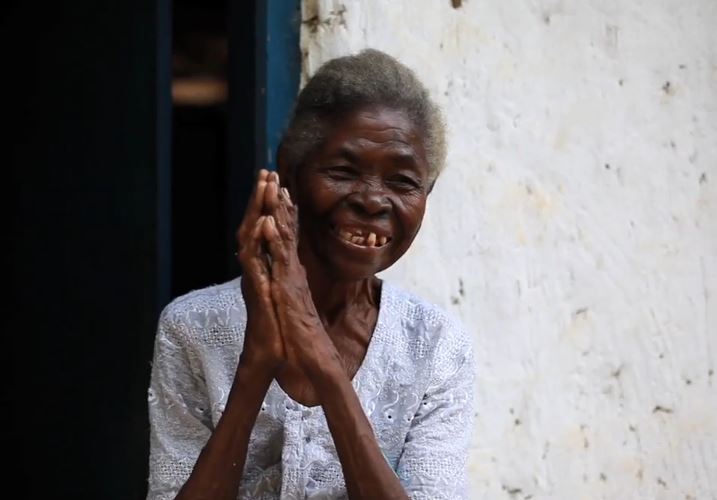
*Kaffirs of Sri Lanka| Photo by Kannan Arunasalam
In Sri Lankan culture many get away with the use of sexist, racist, and homophobic language in public that in many other countries would require a public apology, the payment of fines, and/or one’s resignation. Such prejudicial utterances are sources of entertainment for the public, and those indulging in them become ‘celebrities,’ as the media finds them enthralling. Government circulars written in Sinhala are frequently sent to non-Sinhala speakers. People are reluctant to take these complaints to law enforcement authorities, who often are not bilingual. The actual meaning of complaints is often distorted in the translation from one language to another. For example, in the plantation areas, women’s complaints about rape are recorded simply as harassment. Thereafter justice is deliberated on the basis of harassment not rape. Women, particularly in socially and politically marginalized communities, are the main victims of such prejudicial use of language. Currently, there is there exist no institutional mechanisms to create an awareness of such abuses of language and hold the perpetrators accountable.
