

Some Comments On The Constitutional Draft

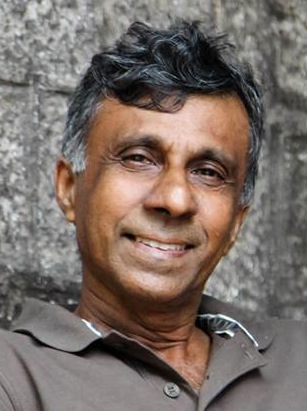
Sumanasiri Liyanage
I assume that the discussion paper that was published in the Colombo Telegraph is authentic.
 Vaclav Havel once wrote that “if the world
today is not to become hopelessly enmeshed in ever more terrifying conflicts, it has only one possibility: it must deliberately breathe the spirit of multicultural co-existence into the civilization that envelopes it.” The basis of this sprit, according to him, is “for different peoples, religions, and cultures” to learn to “respect each other” and to “respect and honor each other’s’ differences”. If we look at from the prism of this grand objective Maithripala Sirisena government’s constitutional proposals can be portrayed as the weakest and most regressive document in the constitutional discourse in Sri Lanka in the last three decades or so. It is regressive when it is compared with the 2000 constitutional draft and the majority position of the all-party conference. No use of comparing it with some of the writings of the civil society activists. Apologists may argue that the drafters of this documents worked within the parameters given to them by the political leaders of the government and approved by the electorate on January 8. Constitution engineering should not be concerned only on the immediate present but on the recent past. Moreover, such exercise has to be futuristic.
In a diverse country in which one of the brutal wars in recent time had been waged, it is imperative to take the underlying causes of the war as well as steps to be taken for reconciliation into account in constitutional engineering. The peoples in the Northern and Eastern Provinces voted overwhelmingly for the President Sirisena expecting not just a change but changes for their lives and conditions; not to taste the bitter side of political power exercised and executed by an alien power in and from Colombo, but to participate in decision-making that directly affect their lives. Hence state restructuring making that expectation and democratic right workable is a responsibility of the government and the constitution drafters. Making excuses that it is not in the 100 day program and we have not made promises to that effect is not only funny but tantamount to a complete exclusion of people in the governing. As I have argued in all my writings, what Tamils, Muslims and Kandyan Tamils meant by democracy and good governance are somewhat different from what is meant by southerners with regard to those terms. Democracy for them is an inalienable right for identity and security. Good governance is an inclusive governance. The following sentence is the only one that is included in order to address this specific burning issue, adding more powers to the President. “In addition to the powers and duties presently exercised under Article 33, the President shall promote national reconciliation and integration, ensure and facilitate the preservation of religious and ethnic harmony and ensure and facilitate the proper functioning of the Constitutional Council and the independent Commissions.”Read More
