

Liberal Values And Sri Lankan Muslims

By Rajiva Wijesinha -February 12, 2015
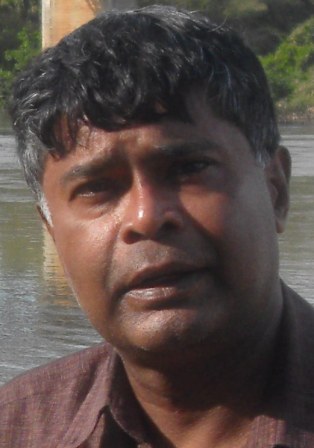
Prof. Rajiva Wijesinha MP
I am pleased to have been invited today to the celebrations of the SLMC, since the Liberal Party was also recognized officially on the same day 27 years ago. In the midst of our satisfaction, however, we had to face tragedy for it was on that very day that Vijaya Kumaranatunga was assassinated. In the year before his death, he had stood out as a symbol of hope and enlightenment for all those who wanted Sri Lanka to reaffirm its status as a multi-ethnic, multi-religious country where there was not just mutual tolerance but also mutual understanding and affection.
I believe strongly that Islam too is based on such concepts, which are essentially liberal. This may seem paradoxical at a time when the world is deeply worried about what is termed Islamic fundamentalism. But while certainly there are extremists amongst Muslims, just as there are amongst adherents of all religions, let me say quite confidently that God can never be a proponent of prejudice or cruelty or selectivity. God is about love.

Of the four great religions that co-exist in uniquely significant proportions in this country, two are monotheistic, one is polytheistic, and the other is in essence atheistic. But as we all know, adherents of all religions visit the holy places of the others, as is exemplified in the wonderful museum at Kataragama, which was set up by Sudharshan Seneviratne, perhaps the best person to represent us now in India, given his pluralistic outlook.
Unfortunately in all religions there are those who crave exclusivity. This is not what God wanted. Nor does God want inclusivity based on compulsion. Sadly, for many centuries that was a trait practiced by many religions, because religion was used by rulers as a means of asserting identity.Read More
