

Genocide In Sri Lanka: It’s A Question That Certainly Needs To Be Litigated

By Usha S Sri-Skanda-Rajah –February 19, 2015

Usha S Sri-Skanda-Rajah
“…it is a question that needs to be litigated because, the (Sri Lankan) government certainly behaved as though its intention was to wipe out at least a part of the Tamil community and to produce conditions in the North which made it difficult for them and their culture to survive” – Geoffrey Robertson QC
There are two related issues currently of critical consequence to Tamils:
- The deferment of the release of the OISL report (the OHCHR Investigation on Sri Lanka report) initially fixed for March 25, 2015
- and the question of whether or not it was Genocide and the Dire need for it to be litigated.
These questions encapsulate the critical debate that is raging among the protagonists in the Sinhala Tamil ethnic conflict with so called arbitrators on the side. The debate has moved since 2009 from the battle field which according to the UN’s final admission of sorts culminated in 70,000 Tamil civilians left dead[1] ; to triumphalism at its worst displayed by the Rajapaksa government side.
Gradually then it advanced to the political and diplomatic arena with expectations rife that it could possibly finally shift to high gear to the legal arena. But lately what with the Foreign Affairs Minister Mangala Samaraweera of the new regime in Sri Lanka making the rounds, crisscrossing the world and writing to the OHCHR Chief, Zeid Ra’ad Al Hussein to postpone the release of the OISL with the assurance that Sri Lanka is ready to conduct its own investigation, there is no end to speculation, uncertainty and a feeling of another betrayal for the Tamils.
All this going on whilst major international players like US and India, it is thought, is involved in steering things by, the developments that is. The only redeeming feature of this development on “deferral”, which is a cause for comfort is the High Commissioner’s undertaking[2] that it would only be a “one time deferral” and that report won’t be “shelved” with a subtle hint, “the request was made [3] (Mangala Samaraweera to him) based on the ‘changing context in Sri Lanka’ and the possibility of new information becoming available for the report..” Which makes one speculate whether it means the High Commissioner is expecting OISL investigators to be permitted in to Sri Lanka or if it means Sri Lanka’s proposed domestic mechanism, that is still to be commissioned would shed more light on the truth of what happened in Mullivaikkal.
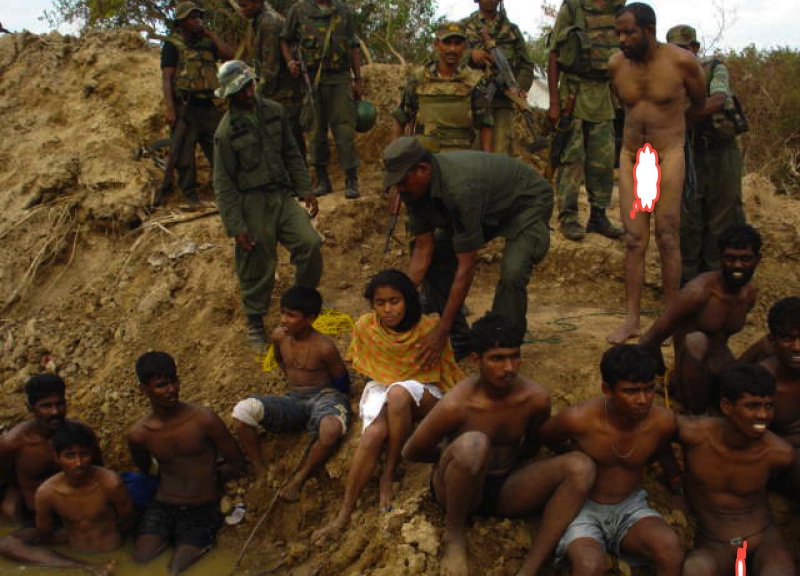
The article on the question of ‘Deferment of the OISL report and where is the justice in that Deferment’ will be a sequel to this article, here the focus would primarily be on the second question:
