

Proposal For Second Chamber With GGP’s 50:50 Formula

By Sumanasiri Liyanage -January 27, 2015 |
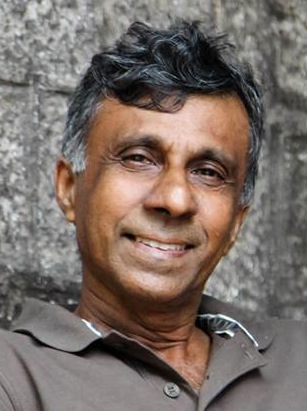
Sumanasiri Liyanage
Since the successful execution of 100 days program of PresidentMaithripala Sirisena is key to the future of his strategy for a national government, it is instructive to redo it through the reflection of the aspirations and hopes as they were expressed by the people at the election. Of course different peoples have had different expectations and hopes. At least their priorities may be different. The interests of the urban middle class when they voted at the last election might have been democracy and good governance. Almost all might have been despised bribery and corruption. However, numerically small nations would have seen election as a space of raising the issue of security and protecting their identity. It seems the government is now working on bringing in 19th Amendment to the Constitution by repealing the infamous 18th Amendment that negated independent commission set up by the 17th Amendment. Also it allowed president to hold office more than twice. We still do not know for sure what would be included in the 19th Amendment, but it seems it will be in line with the proposal submitted by Rev Athuraliya Rathana, MP and his pivithuru lowak movement. As the 100 days program was careful in even mentioning the national question, the issue may not be specifically be addressed in the 19th Amendment.
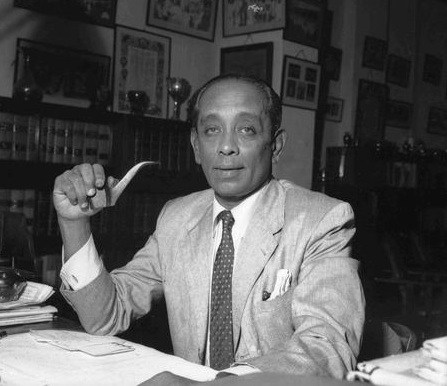
G. G. Ponnambalam
In my opinion, there is a main drawback in the pre- as well as post- election democracy discourse in Sri Lanka. Mr Sumanthiran, a TNA leader was reported to have said that the reestablishment of democracy in general will help the numerically small nations in general and Tamils in particular. I do not contest that, but the establishment of democracy in general is not adequate for the resolution of the specific democratic issues of the numerically small nations. It is instructive to note that general democracy prevailed in the first two decades after independence, but democracy of numerically small nations, particularly of Tamils were curtailed in the same period later leading to an armed conflict. Both Lenin and Trotsky defining democracy in broad historical terms suggested three main tasks of democratic transformation, namely (1) democratization of the state; (2) national integration that include self-determination of oppressed nations; and (3) resolution of the agrarian question, i.e, abolishing feudal and pre-capitalist remnants in the rural sector. Mr Sumanthiran and many others focused only on the first aspect of democratic transformation and their discussion was confined to its positive side effects on numerically smaller nations. My submission is that this limited version of democracy will not help in attaining democratic transition in Sri Lanka. The second and the third issues should be consciously addressed and incorporated in the struggle for democracy. I add. If we are rereading and enriching the 100 days program in the light of electoral experience, specific proposals on those issues should be included.
