

What Is This “Change” We Say We Want?

By Kusal Perera -December 23, 2014

Kusal Perara
The talk of “Change” at the coming January 08 presidential polls is more a Colombo Sinhala middle class discourse. In a very general manner, other Sinhalese join in to say “yes”. The common feeling around Sinhala urban centres with no particular interest on any serious issue tends to agree for a “Change”. This has now been translated to mean, “Rajapaksa should go”. Pushed for explanations as to why he should go, one would come against answers like, “mega corruption, dictatorial family rule, breakdown of law and order, drugs and ethanol” and more of such allegations. This list that justifies ousting Rajapaksa unfortunately does not include, “militarisation of society, State sponsored violent Sinhala Buddhist extremism against Muslims, refusal to seriously and honestly negotiate a political solution to the Tamil question, or even the issue of establishing civil administrations in North and East.”
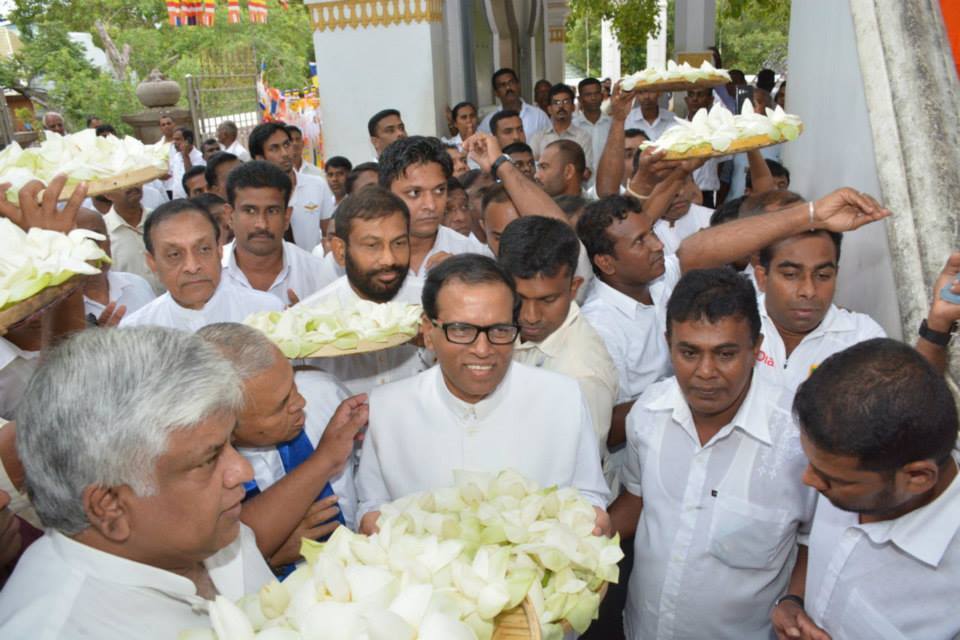
Yet, those rallying round Common Candidate Maithripala Sirisena keep saying, this presidential election is crucial and the opportunity to oust Rajapaksa should not be missed for whatever reason. Ousting Rajapaksa they say, would create new “space”. Thereafter the “rest would follow” is the loud call. In plain language what we are told is, “Rajapaksa should be defeated at any cost”. There are those who add, “never mind who or what comes thereafter”. While there is consensus this Rajapaksa regime has to be completely uprooted, these simplifications raise many issues for those who wish to have a clear political definition of the term “Change”. This “Change” for which the Rajapaksa regime has to be ousted, cannot be a vaguely interpreted, populist term.
It is very superficially touched upon in “A Compassionate Maithri Governance : A Stable Country” as liberating the “noble motherland and all its people from the tragic fate that has befallen them” (p/05 – first para). This “Change” could also be understood to mean, that in the future there would be very much less corruption, much like in the pre Rajapaksa era and all political parties would unite to build a less corrupt country.(My Vision – p/06).
