

The Ebola Virus And The Islamic State

By Jude Fernando -November 7, 2014
The moral bankruptcy of the global human rights defenders is clearly evident in its apparent urgency, resourcefulness, and political will to act against the Islamic State (IS), but NOT to prevent the rapidly spreading Ebola epidemic. These defenders take human and material risks, make compromises with enemy states, and bypasses established United Nations protocols pertaining to the use of force, for the war against an estimated 30,000 IS fighters. These efforts far exceed the assistance provided for the more than 4,000 victims of Ebola, including 340 healthcare workers, and the potential for 1.5 million people, the majority in poorer countries, to be infected by the Ebola virus, with infection rates doubling every week. A fraction of the cost of airstrikes against IS, without any loss of human life, would suffice to airdrop the necessary resources to check the spread of Ebola and protect healthcare workers.
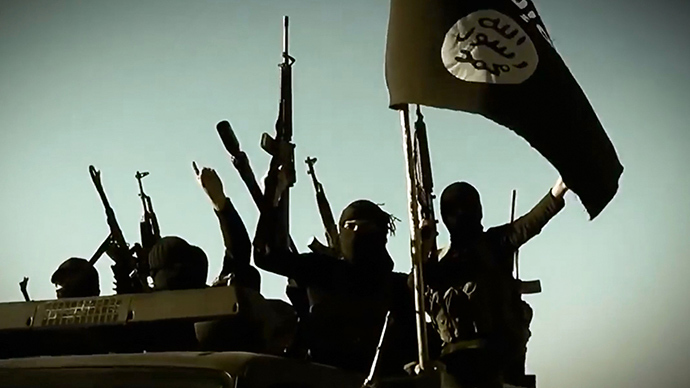 This appalling predicament of global human rights can be best illuminated by exploring the interconnections between Ebola and IS in a border context. The Ebola virus originated in bats and the ideology of IS originated in the minds of a few ideologues. The surge of human suffering associated with Ebola and IS, however, are inextricably linked with, though not reducible to, imperial ambitions of the rapidly corporatizing, racializing and militarizing global political economy. Many accounts of Ebola and IS based on resource scarcities, bad governance, terrorism, race, and religious explanations are misleading and counter-productive. They distract public attention away from ideologies and institutions that forge these links and necessity of replacing them with them with new ones.
Manufactured Scarcity
The scarcity of resources for managing the Ebola crisis is a not a natural problem, but a systemic and manufactured one, upon which rests profits of the bio-medical industrial complex. The same is true of IS as its surge didn’t come about “naturally,” but it is closely tied with the military industrial complex and geopolitical interests. Disease and conflict, that often feeds on each other, are a result of manufactured scarcities by these two of the most profitable industrial complexes in the imperial economy. Scarcity allows them to increase the value of resources and make them available to those can pay the highest market price, and is an important means to political ends. This process of resources management is essentially highly dynamic and crisis ridden political project as it necessitates the complete control over people, ideas, identities, and institutions globally.
