

Experimenting Federalism In Sri Lanka

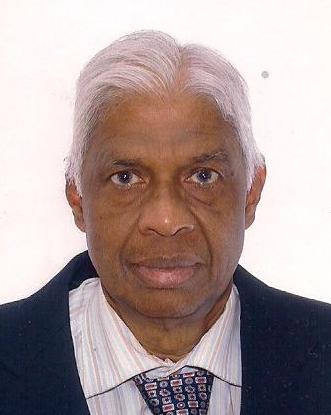
Ayathuray Rajasingam
Though it is five years after the LTTE was defeated, Mahinda Rajapaksa-led government failed to place a meaningful solution to the satisfaction of the Tamils as well as of the international community. On the contrary, Mahinda Rajapaksa & his siblings have achieved a systematic and calculated murder of innocent Tamils, which demonstrates genocide on different pretexts. Murdering innocent citizens is discouraged in religious teachings to defeat an enemy. The TULF has continuously sent a hot signal in respond to the international community for truce, but Mahinda Rajapaksa is still reluctant to place an acceptable meaningful solution while reiterating that Federalism has no place in Sri Lanka, without realizing the benefits of Federalism.
The suspicion of the people in every Province that they would be oppressed by the majority community, using the powers of the government, should be allayed without any reservations. The results of the Northern Provincial & Uva Provincial Council elections demonstrate that the government failed to allay the suspicion of the people that they were oppressed by the ruling party using the powers of the government, thus signaling the frustration of the people.
Recognizing one’s basic rights does not necessarily mean conceding to the demands of the minority, but the willingness to share power in a civilized manner. Recognition of the fundamental rights of the ethnic community is only possible through the incorporation of the obligations in the Constitution. Such obligations on the part of the central government towards the Units and the obligations of the Units toward the Central Government can only be found in Federal constitutions. Thus it signals the expansion of democracy. It is these obligations which symbolize as constitutional guarantees which will ensure the people of each Province some sense of security. Even the late Dr. N.M. Perera and J.R. Jayewardene once said Federalism is suitable for Sri Lanka.
In a democratic country especially in a plural society, the system of Checks and Balances and the civil liberties are inter-related for the maintenance of peace. The quest for peace revolves round the concept of the freedom to live from any fear whatsoever from any quarters. Freedom to live from fear symbolizes the freedom of speech, opinion, movement, the right to life, etc. Such civil liberties discourage the military rule. The legislators should realize that freedom of the press is the live-wire of democracy. The government should guarantee the freedom of criticism, so that a citizen would know what is right and wrong. There should not be any censorship. It is through exchange of views that peace can be brought. Peace discourages senseless violence and murder. Peace brings joy and happiness and allows room for unity and prosperity. It develops friendship and brotherhood all over the world. Read More
