

Rajani And The Tamil National Struggle
By Rajan Hoole -

Dr. Rajan Hoole
Dr. Rajani Thiranagama was killed 25 years ago on 21st September 1989
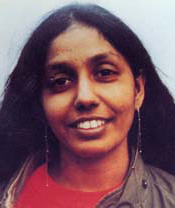
Rajani
 Every death, as Rajani said, is a monumental tragedy that needs to be accounted for and the moment we lose that human empathy and become apathetic or indifferent, we are, as a people, doomed. While death and loss was not confined to one community, we Tamils believed in the liberation struggle, lost a great deal, sheltered behind apathy while many of our best were killed as traitors and children of the vulnerable sections dragooned off to fight a doomed war. We are now the living dead, corrupt and subservient, unable to run the institutions we have for the public good, appeasing the new order by pretending that the liberation struggle was something we had no part in, and those who died for it as completely alien to us. With her keen understanding of society and the dangerous shallowness of narrow elite nationalism, Rajani foresaw this betrayal as her writings in the Broken Palmyra show. She saw it was the poor and downtrodden who were at the receiving end. Her ears and heart were open to all; she pleaded that to avert our common dismal fate, our politics should become more open, and we should reach out to the wider world as a people deserving sympathy.
While being an internationalist from her university days, Rajani joined theLTTE as a reaction to the hypocrisy of Tamil nationalist politics, upon seeing, first as a doctor, the sacrificial earnestness of some LTTE cadres. She left in disgust upon being exposed to the trauma of young persons, whose sacrifice was being cynically betrayed. As with Tamil nationalist parliamentary politics, she saw that the LTTE was a prisoner of its rhetoric of Tamil valour and its heroic destiny and could only impose greater sacrifices on an unwilling people and severe repression against those who questioned it, while being drawn into new and malign forms of dependence. Nationalism when admired for its military feats has been a source of dangerous delusions.
The Energy Trap
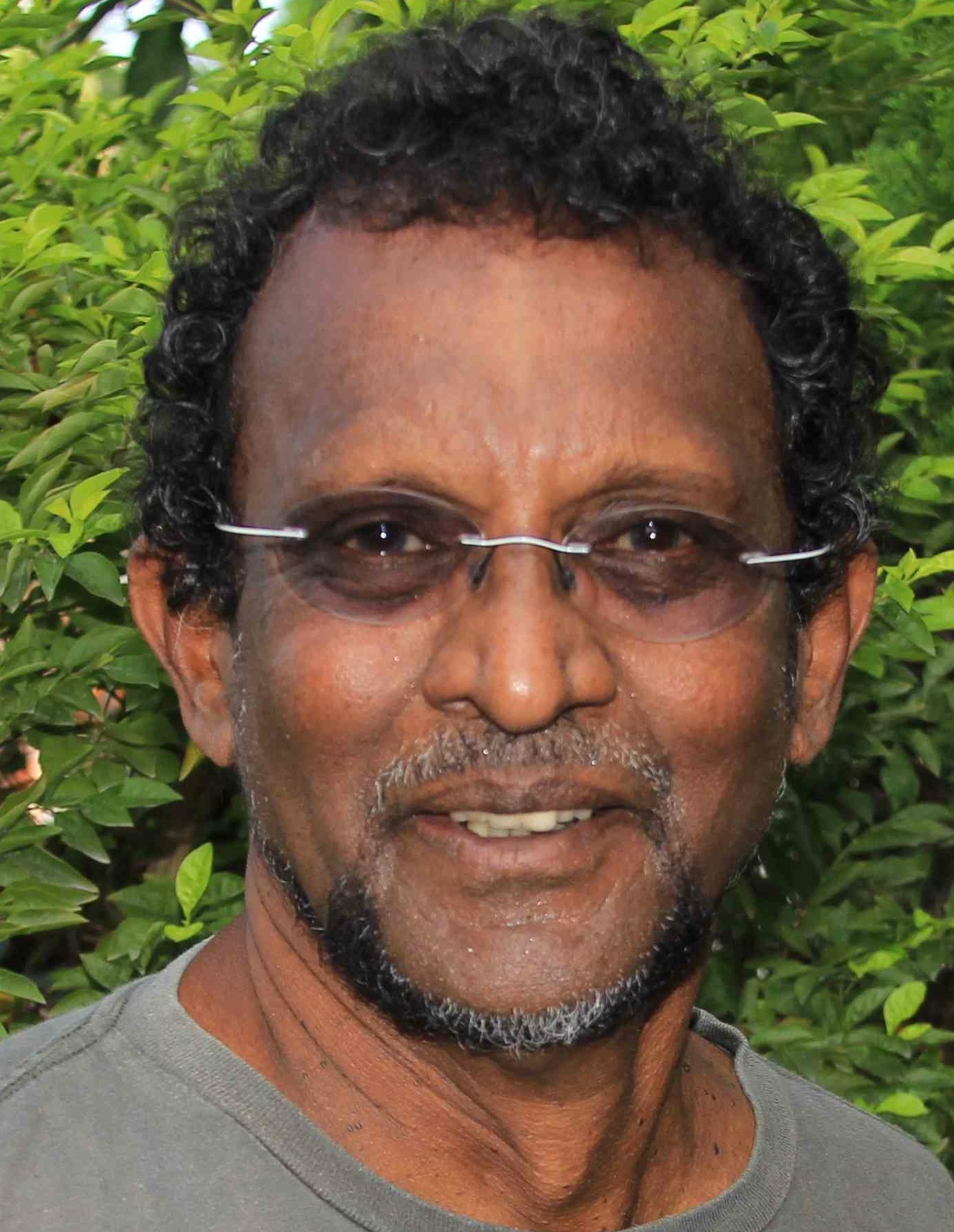
Ranil Senanayake
In Sri Lanka, Around December 20th 1979, an official communiqué was issued by the Government and displayed in the nation’s newspapers stating, “No oil means no development, and less oil, less development. It is oil that keeps the wheels of development moving”. This defines with clarity what is to be considered development by the policy makers of that Nation. Here was a fundamental and fateful decision that cast a deadly policy framework for the nation. The energy source that was to drive the national economy would be fossil. Even today, that same policy framework and its adherents continue. The word development has been replaced with ’ alleviate poverty”, The argument being that economies need to industrialize in order to reduce poverty, industrialization leads to emissions’ or to ‘put another way ‘a reduction in poverty leads to an increase in emissions’. This is still very much a debated issue, but often it is trotted out dogma. These views, presuppose a vision of development based on fossil fuel consumptive, expensive road transport, even though innumerable scholarly studies have demonstrated the need to rationalize the transport system. The production of electricity is not done through national research and investment in renewable sources, but through the purchasing of heavy fossil fuel consuming systems or through purchase at prevailing world prices. Electricity provides the power not only for our homes but also for all of industry. Indeed one indicator of ‘development’ is the per capita consumption of power. However what should be addressed is the source of this power. Read More
