

Facing Mahinda Rajapaksa In The Next Presidential Election: Three Views

By Sumanasiri Liyanage -September 16, 2014
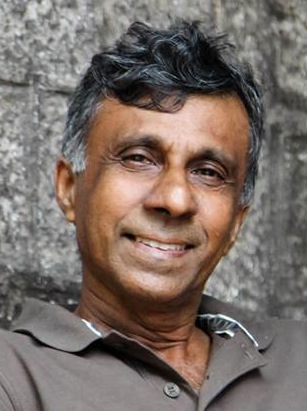
Sumanasiri Liyanage
There have been many indications that the next presidential election would be advanced and be held in January 2015. Even astrologers have begun to say that holding presidential election in January would be favorable to the incumbent. The Third Amendment to the Constitution has made holding a presidential election if the incumbent is prepared to do so four years after the last election. Ex-CJ has already raised that if the President Rajapaksa could contest although the Eighteenth Amendment has allowed a person to contest more than two consecutive periods. Here my intention is not to discuss the legal nature of the issue but to deal with the political strategies put forward by the opposition forces in Sri Lanka in facing President Mahinda Rajapaksa in the election in January. If the Supreme Court decides that Mahinda Rajapaksa cannot contest there will not be a presidential election in 2015.
There have been three main views on how the Sri Lankan opposition should face President Rajapaksa in the next Presidential election. First view suggests that the main issue today is the issue of defeating Mahinda Rajapaksa and eventually his family’s hold in power. Reasons given are inter alia strong tendency towards fascism or totalitarianism, deep rooted corruption and nepotism, heavy dependence on loans especially from China, regime’s increasing tension with the West (so-called international community) and poor economic performance. The argument is that no matter whatever happens this regime should be defeated and it would be good for the country. Hence, a winnable common candidate has to be named as the candidate opposing MR. This view that seems to be sponsored by the Western embassies is shared by the traditional business class, the UNP, NGOs, liberal democrats and the pinkish left. For them the removal of MR from executive presidential post is adequate to reestablish democracy, rule of the law and to promote economic development. In other words, they appear to believe that there have been no structural flaws that generate above mentioned issues and problems. As we have seen in the past, this strategy would produce circular results creating a situation to pose the same issues in a future presidential election. What are the mechanisms that would be in place to counter anti-democratic tendencies inherent in the system? What guarantees could be given that the new regime would adopt that would reduce cost of living, raise standard of living of the masses, reduce concentration of wealth and promote economic development? This whole idea of regime change without reasonable structural change will be tantamount to a repetition of time and again the same cycle.Read More
