

Future Of Tamil Nationalism In Sri Lanka After NPC Election

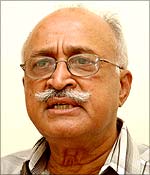
Col. (retd) R.Hariharan
The Tamil National Alliance (TNA)’s thumping victory in Sri Lanka’s Northern Provincial Council (NPC) election held on September 21, 2013 has to be viewed the post-Eelam War political setting. It was conducted after electoral politics was set free from the stranglehold of the Liberation Tigers of Tamil Eelam (LTTE) in nearly three decades. The election is a watershed in Sri Lanka Tamil history as it marks the return of Tamil nationalism to the political platform after a tortuous journey to extremism to insurgency. This makes the election a truly democratic exercise. The huge 68 percent voter turnout in the election showed peoples’ enthusiastic acceptance of the shift of leadership from the insurgents to political parties.
The TNA won 30 seats including 2 bonus seats in the 38-member council, while the ruling United Peoples Freedom Alliance (UPFA) secured 7 seats and the Sri Lanka Muslim Congress (SLMC) won 1 seat. The TNA secured a record 78.5 percent of the votes polled. Such a huge mandate is an uncommon occurrence in the dual vote system of elections in Sri Lanka.[i]The people of Northern Province with their strong support to the TNA have sent a message to President Mahinda Rajapaksathat they expect the TNA to keep Tamil nationalism alive despite the failure of Tamil insurgency.[ii]
President Rajapaksa called the last war against the LTTE a “Humanitarian War,” waged to free Tamils from oppression under the Tamil Tigers. When the episodic war against the LTTE ended in May 2009 with the elimination of its leader Velupillai Prabhakaran and the entire leadership, many rejoiced at the prospect of ushering in permanent peace. They expected President Rajapaksa to kick start the political process to meet Tamil aspirations and put an end to the prospect of renewed Tamil insurgency once and for all.
However, these expectations have been belied. President Rajapaksa has used the military victory to strengthen his hold and emerge as the all-powerful arbiter of Sri Lanka’s future. As UN High Commissioner for Human Rights Mrs Navaneetham Pillay cautioned during her August 2013 visit, Sri Lanka was “increasingly heading in an authoritarian direction.”[iii] Militarism is gaining upper hand in general and in Northern Province in particular. The only redeeming feature is Tamil insurgency has ceased to be an existential threat to Sri Lanka.
