

Post JVP DilemmasPost JVP Dilemmas
By Rajan Hoole -March 14, 2014
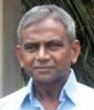 Rajan Hoole
1989: The Eclipse of the JVP and the Perplexity of the Left - Part 5
For the elite, the threat to life was over by early 1990. They wanted to forget all about the JVP episode and get back to the pre-1987 status quo. But there were many things that could not be wished away besides their own complicity in mass murder. What about the hundreds of thousands of largely rural folk living 'out of sight and out of mind' tormented by the loss of their young husbands, sons, daughters and breadwinners? Was it even remotely fair to tell them that 'fire had to be fought with fire' and that their young had to be destroyed like vermin to restore the rule of law? What would be the long-term consequences for Sri Lanka of denying them justice?
There was then the State, which had got into the habit of killing without the slightest remorse. When the war in the North-East resumed in June 1990, Premadasa and Ranjan Wijeratne were very confident that they could settle the LTTE the same way they finished the JVP. They began a killing spree of Tamils without understanding the key difference that they were dealing with a people completely separated from the State, who had only the brutal and crisis-ridden LTTE to turn to. Thanks to this strategy of Premadasa and Wijeratne, a depleted LTTE was given a windfall of fresh recruits to inflict devastating blows on the Army.
In the South itself the Left parties, intellectuals and activists who had understood the gravity of the Tamil problem and were critical of the State had been thrown off-balance by the JVP rebellion. Many of them did not want to co-operate with the State, but were overtaken by events and decisions taken by their colleagues. One Left group decided that they would on their own fight and politically challenge the JVP. This meant that they could not ask for help from the State. They were trained in the use of firearms by a Tamil group, the EPRLF, in Trincomalee. In early 1990 one of its leaders, Wije, tried to smuggle into the South some arms obtained from a Tamil group that was pulling out of Trincomalee. The Army located the weapons in the lorry at the Monkey Bridge check-point, allegedly on a tip-off. Wije was thrown into a detention camp with JVPers, who beat him to death. Such was the cynicism of the State in a triumphant mood of blood-lust.
As pointed out at the end of the last chapter, the Right who in 1988 were bending over backwards to accommodate the LTTE and JVP, flipped over once the JVP was finished. From June 1990, they made up for their cold-shouldering of the Army during the JVP era by piling on it extravagant praise for what they saw as the resumption of its rightful role of killing Tamils. Read More
To be continued..
*From Rajan Hoole‘s “Sri Lanka: Arrogance of Power - Myth, Decadence and Murder”. Thanks to Rajan for giving us permission to republish. To read earlier parts click here
Rajan Hoole
1989: The Eclipse of the JVP and the Perplexity of the Left - Part 5
For the elite, the threat to life was over by early 1990. They wanted to forget all about the JVP episode and get back to the pre-1987 status quo. But there were many things that could not be wished away besides their own complicity in mass murder. What about the hundreds of thousands of largely rural folk living 'out of sight and out of mind' tormented by the loss of their young husbands, sons, daughters and breadwinners? Was it even remotely fair to tell them that 'fire had to be fought with fire' and that their young had to be destroyed like vermin to restore the rule of law? What would be the long-term consequences for Sri Lanka of denying them justice?
There was then the State, which had got into the habit of killing without the slightest remorse. When the war in the North-East resumed in June 1990, Premadasa and Ranjan Wijeratne were very confident that they could settle the LTTE the same way they finished the JVP. They began a killing spree of Tamils without understanding the key difference that they were dealing with a people completely separated from the State, who had only the brutal and crisis-ridden LTTE to turn to. Thanks to this strategy of Premadasa and Wijeratne, a depleted LTTE was given a windfall of fresh recruits to inflict devastating blows on the Army.
In the South itself the Left parties, intellectuals and activists who had understood the gravity of the Tamil problem and were critical of the State had been thrown off-balance by the JVP rebellion. Many of them did not want to co-operate with the State, but were overtaken by events and decisions taken by their colleagues. One Left group decided that they would on their own fight and politically challenge the JVP. This meant that they could not ask for help from the State. They were trained in the use of firearms by a Tamil group, the EPRLF, in Trincomalee. In early 1990 one of its leaders, Wije, tried to smuggle into the South some arms obtained from a Tamil group that was pulling out of Trincomalee. The Army located the weapons in the lorry at the Monkey Bridge check-point, allegedly on a tip-off. Wije was thrown into a detention camp with JVPers, who beat him to death. Such was the cynicism of the State in a triumphant mood of blood-lust.
As pointed out at the end of the last chapter, the Right who in 1988 were bending over backwards to accommodate the LTTE and JVP, flipped over once the JVP was finished. From June 1990, they made up for their cold-shouldering of the Army during the JVP era by piling on it extravagant praise for what they saw as the resumption of its rightful role of killing Tamils. Read More
To be continued..
*From Rajan Hoole‘s “Sri Lanka: Arrogance of Power - Myth, Decadence and Murder”. Thanks to Rajan for giving us permission to republish. To read earlier parts click here
Rajan Hoole
For the elite, the threat to life was over by early 1990. They wanted to forget all about the JVP episode and get back to the pre-1987 status quo. But there were many things that could not be wished away besides their own complicity in mass murder. What about the hundreds of thousands of largely rural folk living 'out of sight and out of mind' tormented by the loss of their young husbands, sons, daughters and breadwinners? Was it even remotely fair to tell them that 'fire had to be fought with fire' and that their young had to be destroyed like vermin to restore the rule of law? What would be the long-term consequences for Sri Lanka of denying them justice?
There was then the State, which had got into the habit of killing without the slightest remorse. When the war in the North-East resumed in June 1990, Premadasa and Ranjan Wijeratne were very confident that they could settle the LTTE the same way they finished the JVP. They began a killing spree of Tamils without understanding the key difference that they were dealing with a people completely separated from the State, who had only the brutal and crisis-ridden LTTE to turn to. Thanks to this strategy of Premadasa and Wijeratne, a depleted LTTE was given a windfall of fresh recruits to inflict devastating blows on the Army.
In the South itself the Left parties, intellectuals and activists who had understood the gravity of the Tamil problem and were critical of the State had been thrown off-balance by the JVP rebellion. Many of them did not want to co-operate with the State, but were overtaken by events and decisions taken by their colleagues. One Left group decided that they would on their own fight and politically challenge the JVP. This meant that they could not ask for help from the State. They were trained in the use of firearms by a Tamil group, the EPRLF, in Trincomalee. In early 1990 one of its leaders, Wije, tried to smuggle into the South some arms obtained from a Tamil group that was pulling out of Trincomalee. The Army located the weapons in the lorry at the Monkey Bridge check-point, allegedly on a tip-off. Wije was thrown into a detention camp with JVPers, who beat him to death. Such was the cynicism of the State in a triumphant mood of blood-lust.
As pointed out at the end of the last chapter, the Right who in 1988 were bending over backwards to accommodate the LTTE and JVP, flipped over once the JVP was finished. From June 1990, they made up for their cold-shouldering of the Army during the JVP era by piling on it extravagant praise for what they saw as the resumption of its rightful role of killing Tamils. Read More
To be continued..
*From Rajan Hoole‘s “Sri Lanka: Arrogance of Power - Myth, Decadence and Murder”. Thanks to Rajan for giving us permission to republish. To read earlier parts click here
