

Sri Lankan Police Officer’s UK Asylum Case: SL Authorities Involved In ‘Widespread’, ‘Systematic’ Attacks On Tamils
 December 8, 2013
In a significant development that would further strengthen the growing calls for international impartial inquiry into the alleged war crimes and crimes against humanity against the Rajapaksa regime, the British judiciary has upheld the UK government’s position that Sri Lankan authorities have involved in “a widespread and systematic attack” against the Tamil population “as a part of the government’s strategy”.
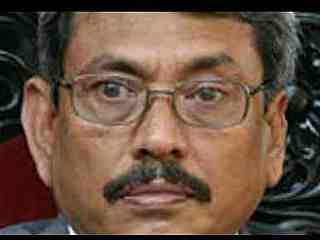
Secretary MOD
The UK’s Upper Tribunal, the Immigration and Asylum Chamber’s judges Lane and Pitt, a couple of weeks ago have made these findingwhile determining an asylum appeal of an anonymity direction protected appellant, a Sri Lankan Police Officer, who has been named as “Mr. AS”
Mr. AS began his career as a Police Officer in Sri Lanka in 2003. From 2007 until he left the Unit in January 2010, Mr. AS worked in a Special Unit within the Sri Lankan Police department that was tasked with the job of abducting Tamil civilians.
Mr. AS feared that he was at risk either from the government who may have suspected him of disclosing information about the torture and murder of Tamil suspects or from the criminal underworld who had been informers for and victims of the Special Unit. He decided to leave the country. His asylum claim was based on the fear that the Sri Lankan authorities would persecute him if he were returned to Sri Lanka. His asylum claim was refused by the Home Office.
Mr. AS appealed against the Secretary of State for Home Department’s (SSHD) decision to the First Tier Tribunal (Immigration and Asylum Chamber). The First Tier Tribunal dismissed his appeal and upheld the decision made by the SSHD and he appealed to the Upper Tribunal.
Dismissing the appeal, senior Upper Tribunal judges found that “…during the period of the appellant’s service in the special unit that the actions of Sri Lankan authorities were well-characterised as “a widespread and systematic attack” directed at the civilian population, in particular those of Tamil ethnicity. Indeed, it was difficult to conclude otherwise, this being the consistent view across the human rights and country reports on Sri Lanka for that period.” Read More
