

Sri Lanka: India’s CHOGM Dilemma
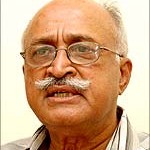
Col. (retd) R.Hariharan
 Prime Minister Dr Manmohan Singh’s is facing a Shakespearean dilemma on attending the CHOGM (Commonwealth Heads of Government Meeting) to be held in Colombo in November 2013. This is not surprising as there are strong political and strategic reasons, both for and against, attending the Colombo summit.
He is facing strong internal and external pressures that cloud objective decision making on the issue. Added to this is the erosion of the PM’s leadership image in recent times. It has taken a severe beating recently after huge scams linked to his office started surfacing one after the other. As a result, each and every decision of the PM is being questioned and the same fate probably awaits his decision on CHOGM as well.
He has to do some delicate tightrope walking to meld long term national interest with short term political priorities. The task is made more difficult because it can affect not only the poll prospects of the Congress party in the 2014-parliamentary election but even the longevity of his coalition before the election.
Political leaders of almost all hues including the Congress party in Tamil Nadu have called for a boycott of the CHOGM. This is not surprising as they got on the Eelam bandwagon ever since Tamil Nadu Chief Minister MsJayalalithaa effectively used the Sri Lanka Tamil issue to sweep the state elections. She has continued her strident stance as many Tamils consider the Centre’s response to Sri Lanka’s war crimes and human rights aberrations as inadequate and ineffective; this has put both the Congress and the DMK on the defensive. Smelling blood, the Tamil Nadu Chief Minister turned even more hawkish, calling for slapping a trade embargo on Sri Lanka and international action against President Rajapaksa. The developments in Tamil Nadu seem to have influenced India’s vote against Sri Lanka in the UNHCR last year.
The Tamil Nadu Chief Minister had been emphatic in calling for an Indian boycott of the CHOGM. All parties in the state were quick to follow suit. None of them, barring some notable exceptions, have critically debated the pros and cons of boycotting the CHOGM on the country’s Sri Lanka policy or on Sri Lanka Tamils.
