

LTTE Cadres Who Surrendered To The Army: Where Are They?
By Veluppillai Thangavelu -August 18, 2013 |
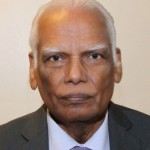
Veluppillai Thangavelu
 The Human Rights Watch (HRW) in its latest report has slammed the Sri Lankan government for failure to make real progress in holding accountable those responsible for the execution style slaying of 17 aid workers on August 4, 2006 despite renewed international calls for action. Seven years have elapsed but the perpetrators responsible for the death of 17 aid workers have not been brought to justice. And this in a country which boasts about 2,300 years old Buddhist civilization and Buddhist values!
On August 4, 2006, gunmen executed 17 Sri Lankan aid workers – 16 ethnic Tamils, four of them women, and a Muslim – with the Paris-based international humanitarian agency Action Contre La Faim (Action against Hunger, ACF) in their office compound in the town of Muttur in eastern Trincomalee district. The killings occurred after several-days battle between the army and the Liberation Tigers of Tamil Eelam (LTTE) for control of the town. The ACF team had been providing assistance to survivors of the December 2004 Indian Ocean tsunami.
The University Teachers for Human Rights (Jaffna) has published detailed findings on the Muttur killings based on accounts from witnesses and weapons analysis that implicate the Sri Lankan army in the area at the time. The group reported that two police constables and naval Special Forces commandos were alleged to be directly responsible and that senior police and justice officials were linked to an alleged cover-up.
In July 2007, the Presidential Commission of Inquiry, established after the Muttur killings to investigate 16 major human rights cases, exonerated the army and navy in the massacre and instead blamed LTTE forces or Muslim militia. Families of ACF workers who testified before the commission blamed the army for the shooting. The commission’s full report to President Rajapaksa has never been made public.
In March 2013, the United Nations Human Rights Council adopted a resolution on Sri Lanka, reiterating the concerns of a 2012 council resolution, which focused on the lack of accountability for human rights violations. The council called upon the Sri Lankan government to “conduct an independent and credible investigation” into alleged rights abuses and “take all necessary additional steps” to meet its legal obligations to ensure justice and accountability for all Sri Lankans.
According to James Ross, legal and policy director of HRW, the government of President Mahinda Rajapaksa in apparent response to increasing international pressure, took long overdue steps by directing state lawyers and investigators to review the case and prepare a comprehensive list of witnesses. This was one of several recent moves by the government to adopt previously disregarded recommendations of its Lessons Learnt and Reconciliation Commission (LLRC) created in 2011 following the defeat of the LTTE in May 2009.
The UN High commissioner for Human Rights, Navi Pillay, is scheduled to visit Sri Lanka towards the end of this month and HRW has repeated its call for the UN Secretary-General or other UN body to create an independent international investigation into violations by government forces and the LTTE. This investigation should make recommendations for the prosecution of those responsible for serious abuses during the armed conflict, including the ACF case. Read More
