

Flying Fish: Fins clipped before flight
Chandani Kirinde reports on the controversy surrounding a flim by debutant director Sanjeewa Pushpakumara
 Sunday, July 21, 2013
 The uproar caused over the screening of the film Igilena Maluwo (Flying Fish) at the recently held French Film Festival at the BMICH in Colombo has snowballed into a major controversy with the Criminal Investigations Department (CID) probing if the producers of the film violated the conditional authorisation given to them by the Defence Ministry to film actors in military uniform.
A senior CID official told the Sunday Times that an investigation has commenced and they would submit report after viewing the film. “We want to see if the contents of the film have brought the image of the Sri Lankan armed forces into disrepute and if the film maker has violated the authorization given to them by the Defence Ministry to use military uniforms,” he said.
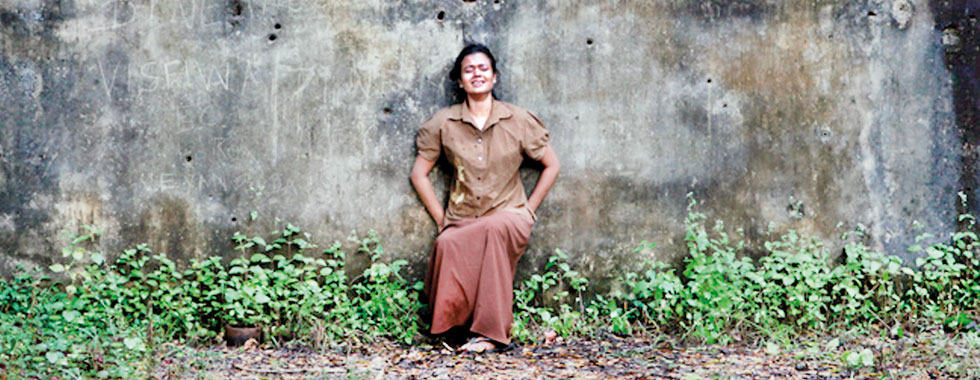
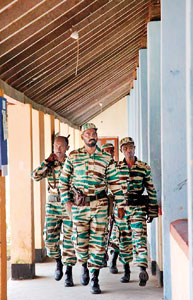
Stills from the film
 Lakshman Hulugalle, Director General of the Media Centre for National Security (MCNS) also confirmed an investigation is underway but said details cannot be divulged immediately. The uproar has also exposed the lack of co-ordination within state institutions that deal with issues of authorisation and censorship for the cinema industry of this country.
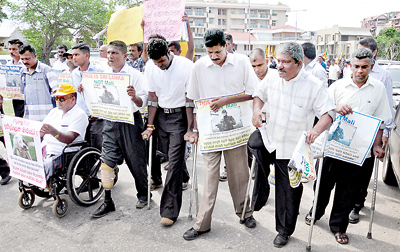
Disabled soldiers holding up placards. Pic by Amila Gamage
 Instead of following consistent guidelines in deciding the merits and demerits of a film, what seems to be in place is a “knee jerk reaction” system that resorts to objections raised by a few who decide that a cinematic creation is unsuitable to be watched by Sri Lankan audiences.
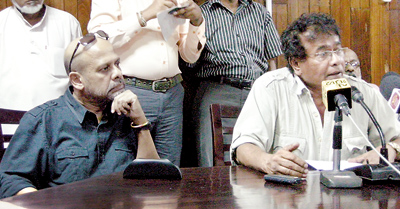
Gamini Viyangoda (left) and Dharmasiri Bandaranayake addressing the news conference. Pic by Athula Devapriya
 The controversy around Flying Fish, by debutant director Sanjeewa Pushpakumara started after the Board of Management of the Bandaranaike National Memorial Foundation decided on July 13 to suspend the three day French Film Festival “on account of the contents of and the sentiments contained in the Sinhala film “igilena maluwo.’ In a statement , the Board said their decision to allow the film to be screened at a Committee Room of the BMICH was based “entirely on the basis of the certification for screening awarded to this film by the PPB.”And while the Public Performance Board (PPB) decides on the suitability of films that should be viewed by Sri Lankan audiences, the controversial film has been sent overseas at least seven times to represent the country at various film festivals without any prior scrutiny of its content and without any objections from the authorities, the Sunday Times learns. Read More