

 Mullikulam: The continuing occupation of a school by the Sri Lankan Navy
Groundviews
WATCHDOG-11
Sep, 2012
“This
is my home, this is my sister’s home, this is my neighbour’s home…and now we’re
not even permitted to enter our own land,” says *Rajan, a villager living at the
Malankaadu temporary resettlement camp, pointing to their homes, where Navy
families currently reside. Since their eviction by the Sri Lanka Navy (SLN) in
2007, people like Rajan have been made into “strangers” looking at their beloved
homes and farmlands from afar. “We don’t want anything else from the Government,
we just want to go back home,” is the recurring lament[1] of
the Mullikulam people from June, 2012, when they were resettled just outside
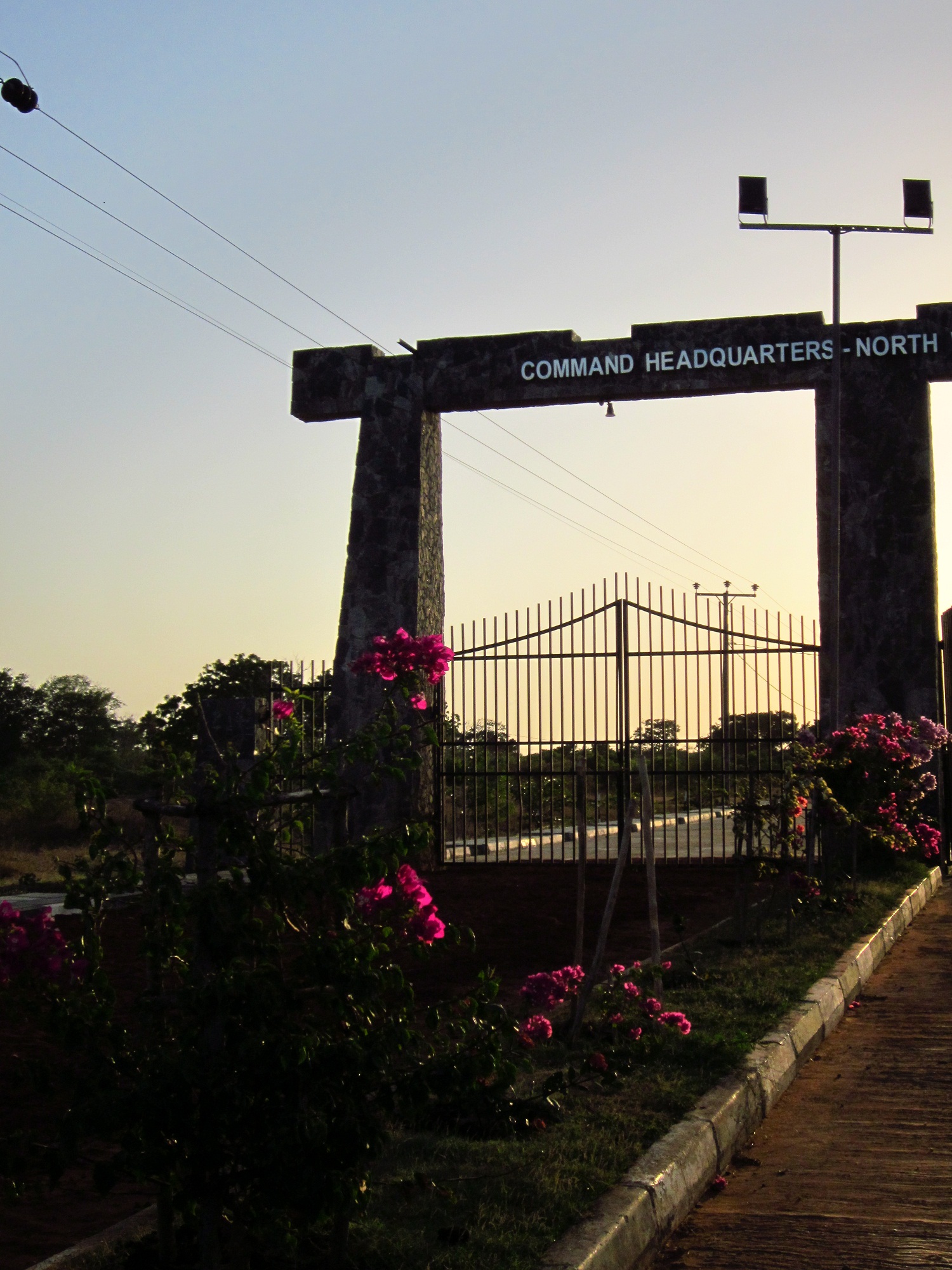
their village, which is currently home to the SLN’s sprawling North Western
Command Headquarters.
When
the Navy first occupied the village, following the eviction of its villagers by
the Army in September 2007, the school and the church were also occupied. Due to
determined efforts by the villagers and church leaders, the villagers have
regained partial access to the Church of Our Lady of Assumption since May 2012,
but even after they resettled in an adjoining village, the school continued to
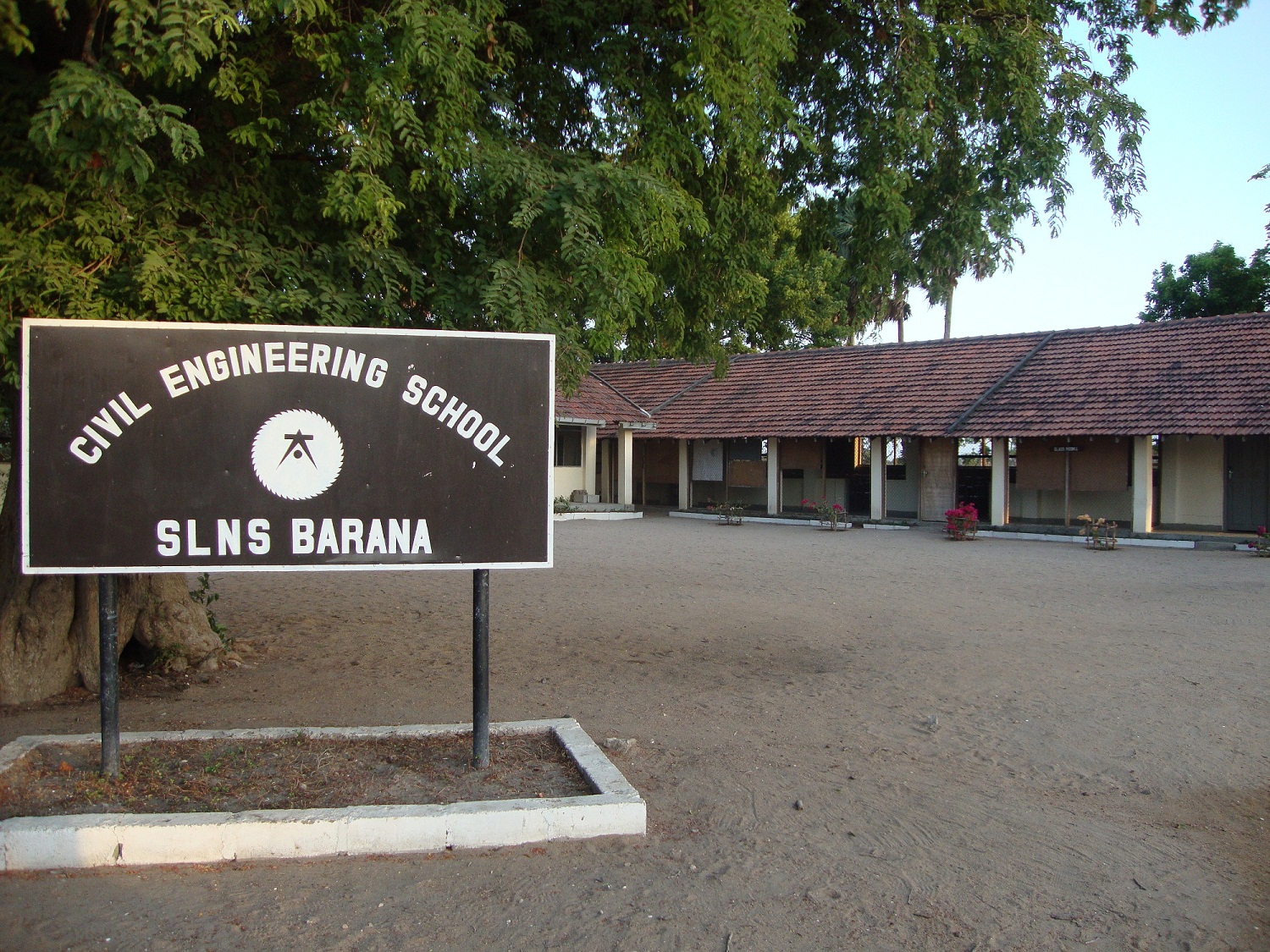
be occupied by the Navy. The school originally known as The MN/Mullikulam Roman
Catholic Tamil Mixed School, has now been named the ‘Civil Engineering School –
SLNS Barana’.
Marking
yet another small victory in their efforts to regain the occupied village, the
school re-opened on the 3rd of
September, 2012, for the first time since the people’s return in June this year.
The SLN had instructed the village elders to start school within the church
premises (in which compound the school too is situated), on Monday, the 3rd morning,
until they received official permission from their Area Commander to re-start
school activities. As the school is within the premises of the Navy HQ, the
children have to travel to and fro from their temporary resettlement camp each
day.
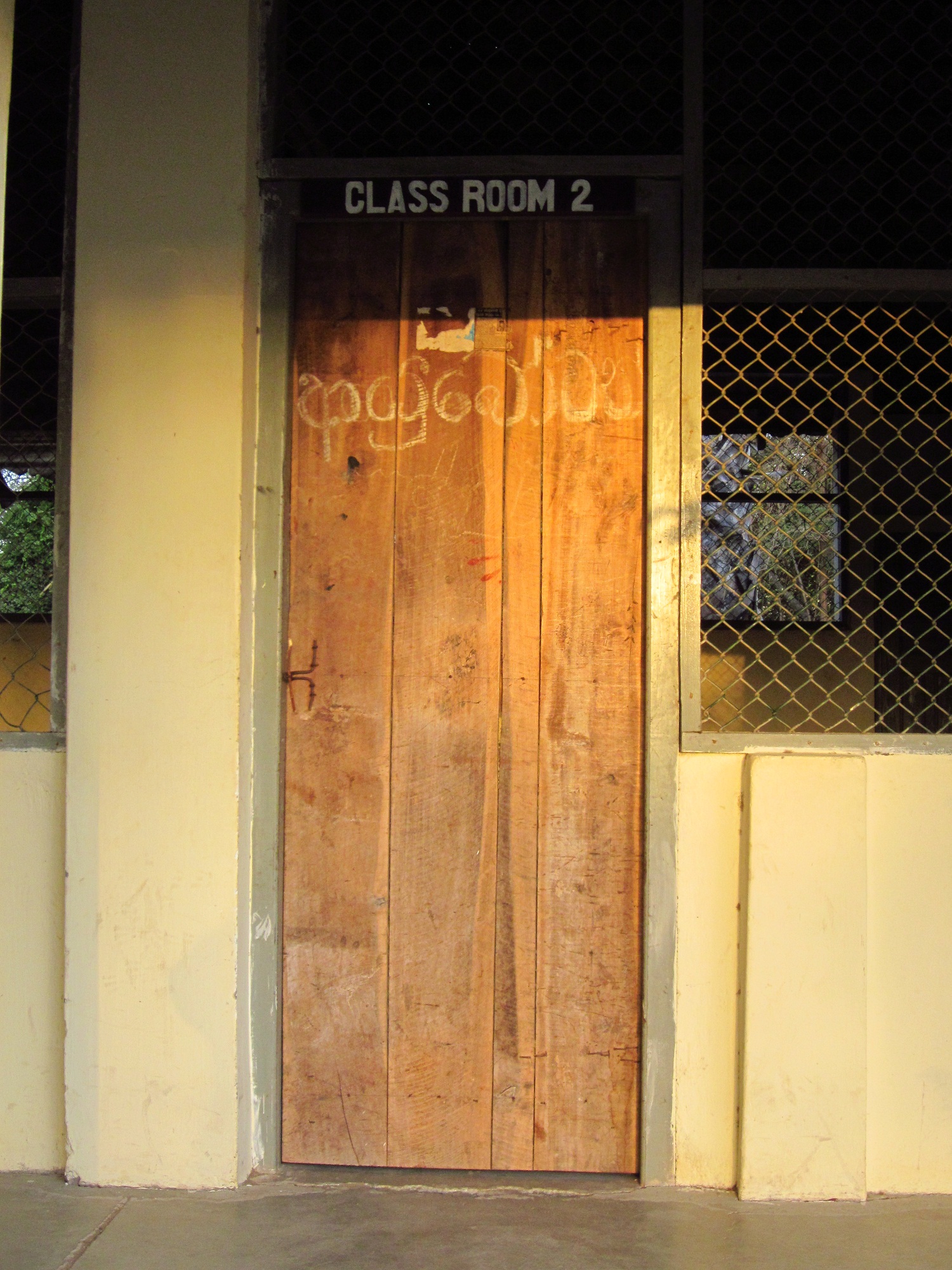
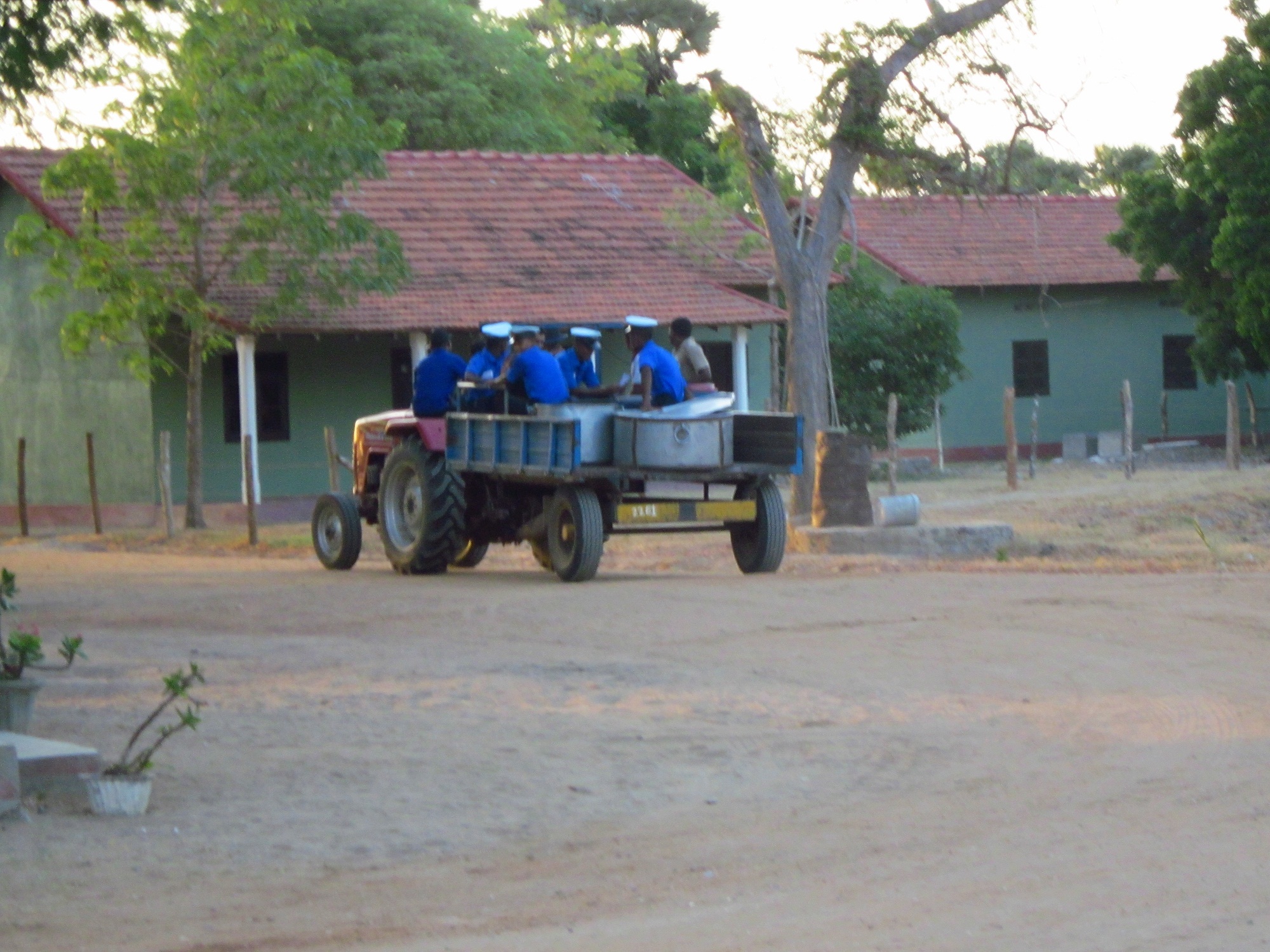
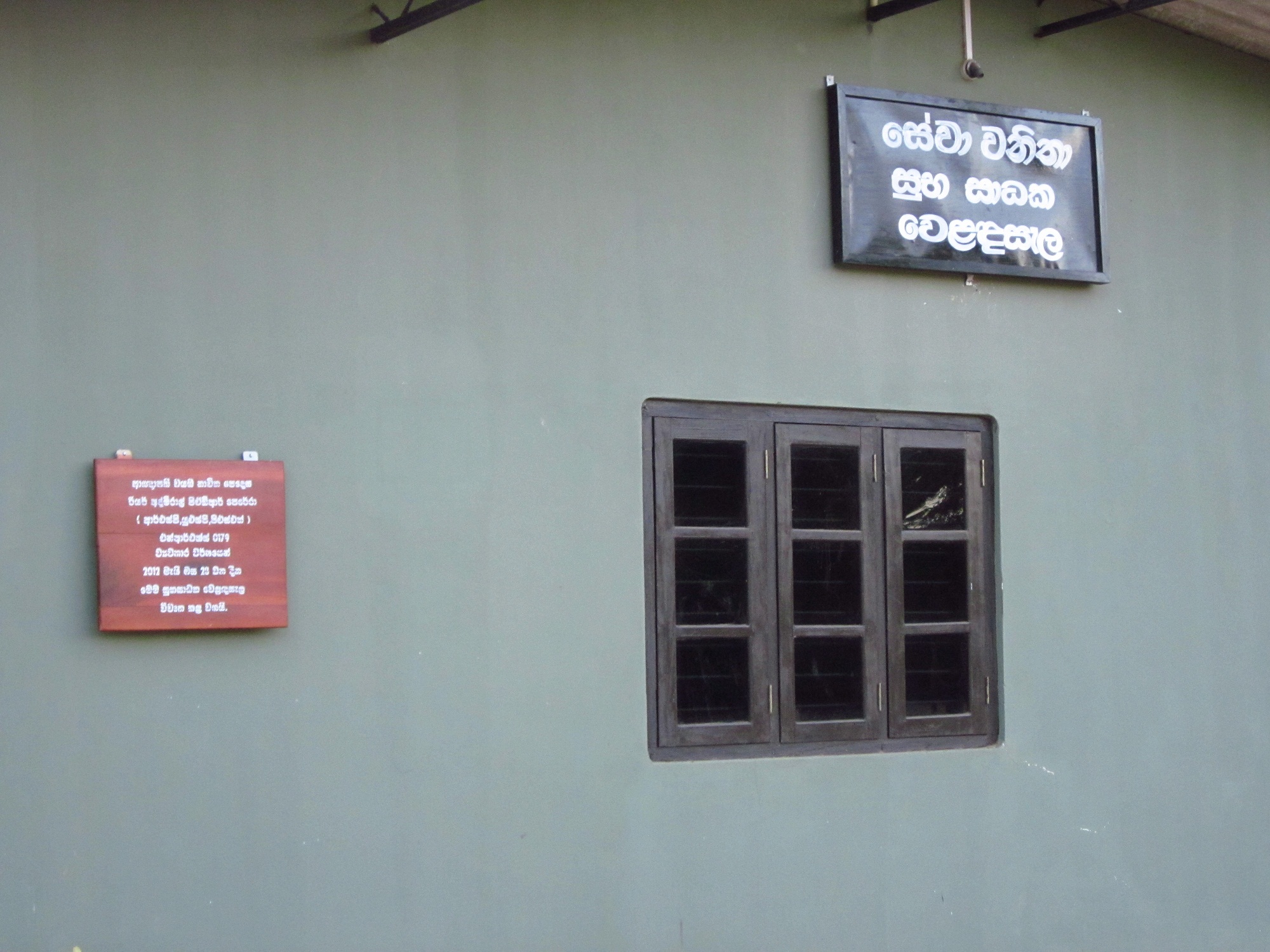

On
the 3rd,
as there was nobody at both the church and the school buildings when the
children arrived at the church at 7am on the first day of school, the 21
children (aged 5-13) and three teachers had started classes as normal within
their school classroom. However, as there was no furniture inside the classroom,
the children had to make do with the plastic chairs from the church that were
remaining after a recently held church feast. Classes which started at 7.30am
that day were interrupted at 11.30am (half an hour before school broke for the
day) when the SLN called a village elder and asked for the children to be moved
to the church premises until they were given the okay from their Area Commander
who was arriving at the Base later that day. The Navy had told the villagers
that they would be notified of his decision by 5pm that evening. The fence that
cordoned off the church from the school, which was there when the people
resettled earlier this year, had been removed on the 15th of
August, 2012.
The
evening meeting chaired by the North Western Naval Commander – Rear Admiral
Rohana Perera, was attended by the Vicar General of the Catholic Diocese of
Mannar, the Assistant Government Agent, the Assistant District Secretary, Robert
Peiris – the Mannar Project Officer for the Northern Reawakening Project, the
Parish Priest of Mullikulam , the Secretary and Coordinator of the Malankaadu
temporary resettlement camp and six other Naval officers, was held at the
Mullikulam (Thammannawa) Navy Camp. It was decided at the meeting that school
would recommence at the school premises from the following day onward. However,
those present were also told by the Commander, that of the two school buildings
there, only one could be used by the children, as the other building was
required to continue conducting Civil Engineering classes for the Navy.
Another
meeting held with the Dep. Area Commander, Director of Education, the School
Principal and the Mullikulam Parish Priest, at the church/school premises
concluded that the school would be officially inaugurated on the 12th of
September, 2012, as the villagers had to transport and set up all the school
furniture and material from Vaalkaipettankandal (which is located approx. 50kms
from Mullikulam), where they had stored everything during their
displacement.
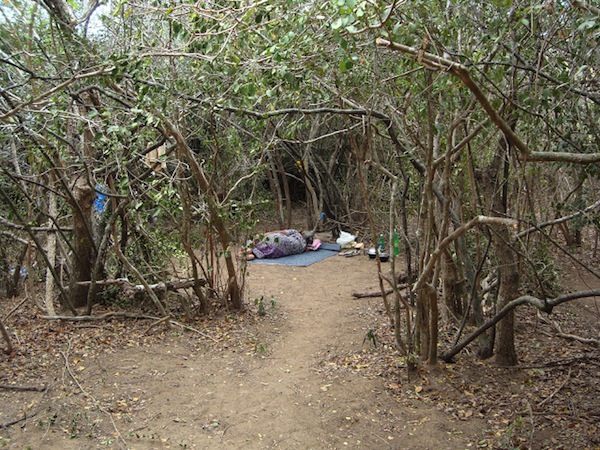
Of
the about 200 families (equating 750 persons) registered, about 153 families
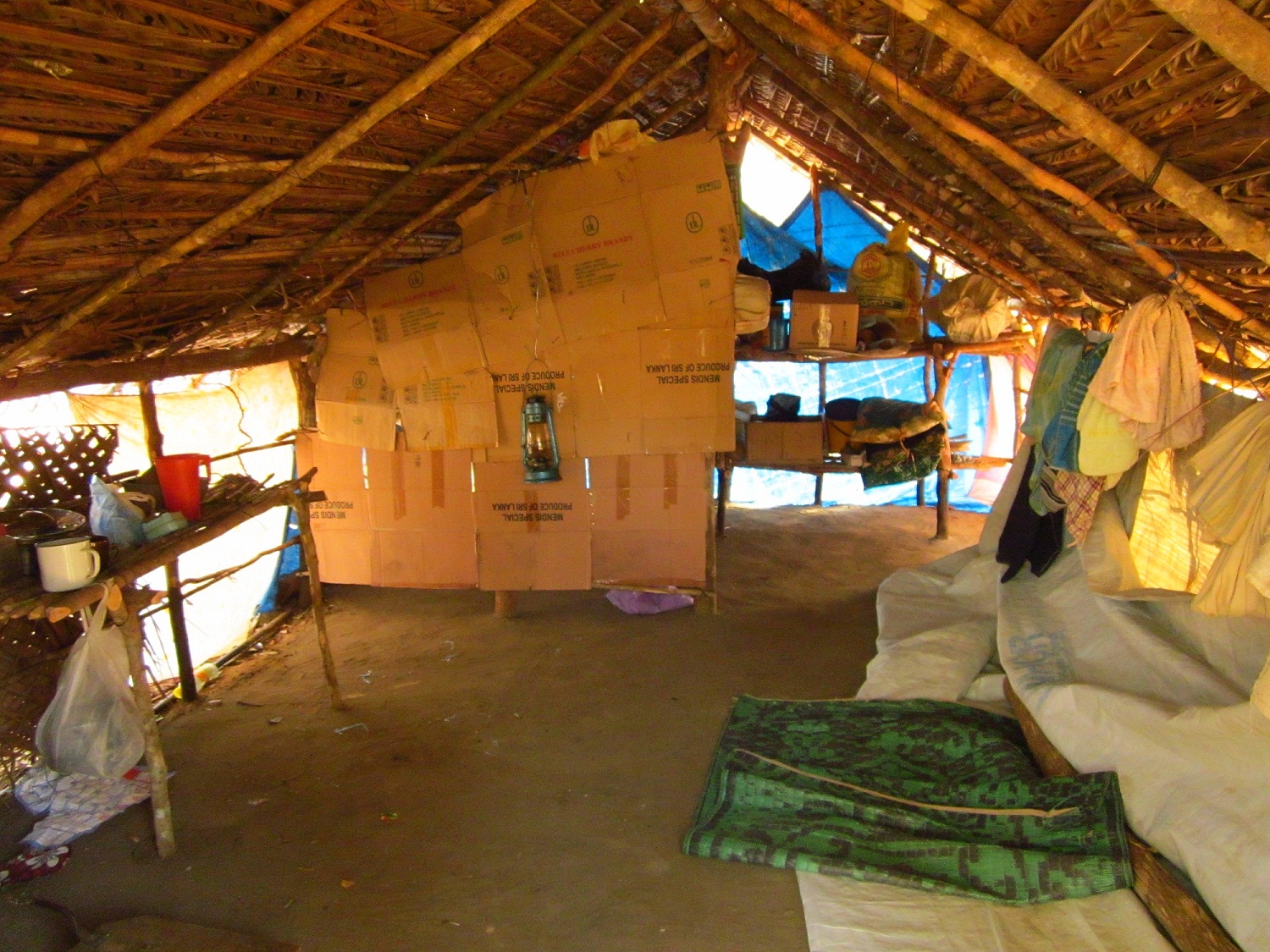
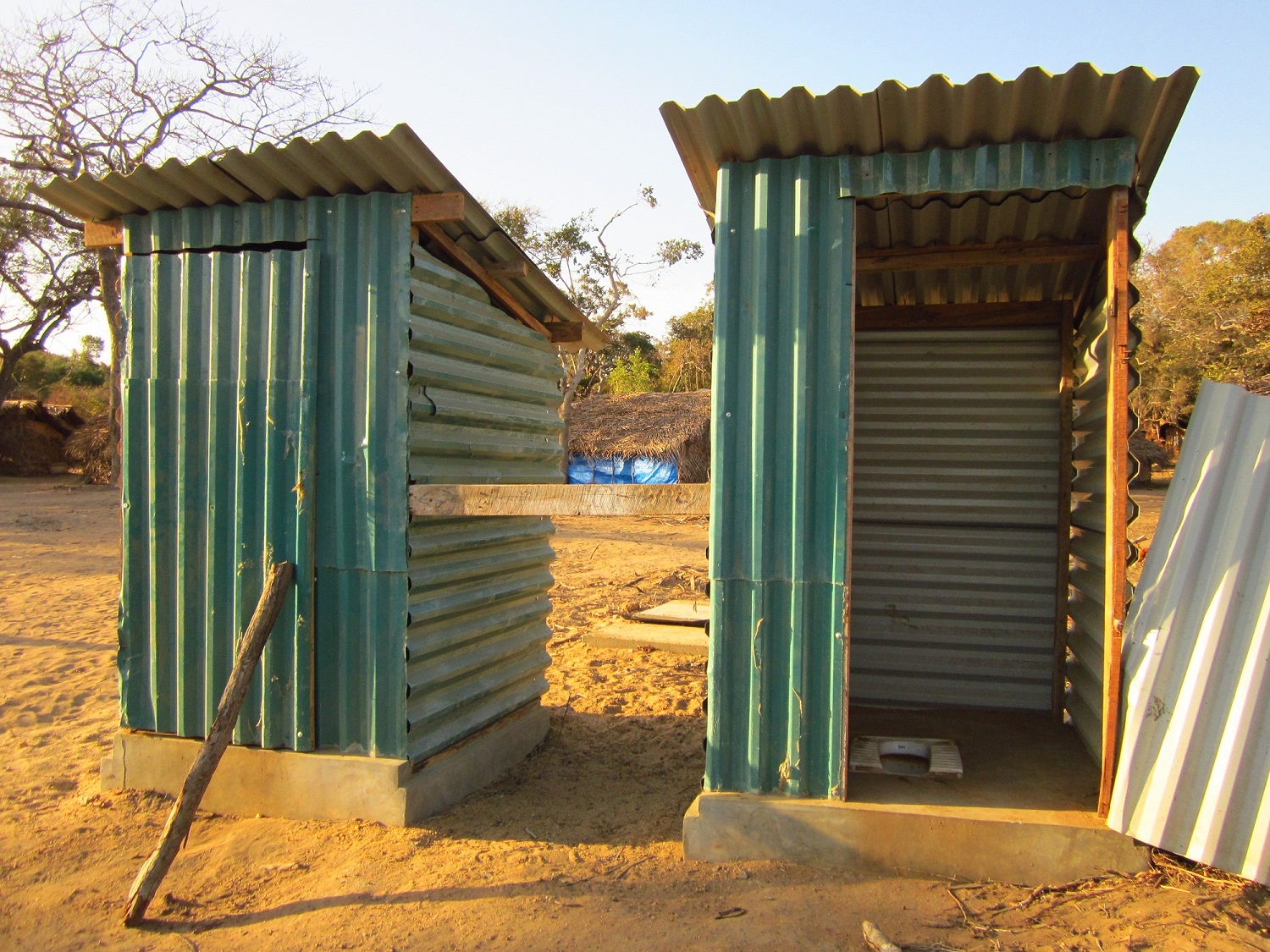
(400 individuals) currently live under gruelling conditions at the resettlement
camp where there are only two toilets, and where they must walk daily to the
nearby tank to bathe. There is only one bus that leaves the village daily to
Mannar at 7am, which returns at 6.30pm. “If you miss the bus, then you can’t go
into town that day. Most of us work as day labourers, and so travel to Mannar or
the neighbouring towns whenever we can find work. The priests provide us with
rations and the Navy delivers water to us daily, which fills up our three 1000
litre plastic water tanks which is the entire camp’s supply for the day. The
remaining families are those either working or having their children studying in
Mannar. However, “if we are permitted to return to our lands, they too will
return,” the village elders tell us.
The
villagers and Church leaders are determined to continue their dialogues and
appeals to the Government and the Navy regarding the plight of the Mullikulam
people, and submit their requests to at least regain access to their paddy
lands, hospital, church, school and of course their homes.
Having
been given the glorified title “(the) Golden fence around the country”, it
doesn’t seem likely that the Navy plans to leave these lands any time soon. What
then is to become of the people of Mullikulam whose one desire is to return
home?
*Names
have been changed to ensure the personal security of the
interviewees.
[ 1] For more details on the plight of the people of Mullikulam
read The
struggle to go home in post war Sri Lanka: The story of Mullikulam.
1] For more details on the plight of the people of Mullikulam
read The
struggle to go home in post war Sri Lanka: The story of Mullikulam.
1] For more details on the plight of the people of Mullikulam
read The
struggle to go home in post war Sri Lanka: The story of Mullikulam.