

India’s Key Role In Influencing International Opinion
 July 9, 2012
By Jehan Perera -
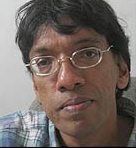
Jehan Perera
The government is bracing itself to meet the next round of international human rights challenges that will arise with the commencement of sessions on the Universal Periodic Review of the UN Human Rights Council in Geneva in November. The UPR comes in a four year cycle for all member countries of the UN, where they are obliged to present a report on their progress in upholding international standards of human rights. As countries, like individuals, are inclined to view themselves in a self-indulgent manner, the UPR requires three other countries to monitor and comment on each country when it submits its report. In Sri Lanka’s case, the three countries are India, Spain and Benin.
The forthcoming UPR review in November will pose the Sri Lankan government with a stiff challenge. The review comes in the aftermath of the March 2012 session of the UN Human Rights Council at which a resolution urging the Sri Lankan government to implement the report of the Lessons Learnt and Reconciliation Commission was passed by a majority of countries, despite the opposition of the Sri Lankan government. All Asian countries, with the exception of India, supported the Sri Lankan government position that the resolution was an unwarranted interference in its sovereign affairs. The Indian vote in favour of the resolution, and amidst the opposition of the Sri Lankan government, came as a bitter shock.
The significance of the Sri Lankan government’s failure to defeat the UNHRC resolution is that it gives the international human rights community an opportunity to monitor the progress of the government’s implementation of the resolution. So far there has been little or no indication of any special effort on the part of the government to implement the LLRC recommendations that formed the centrepiece of the UNHRC resolution. The report has still not been translated into the two official languages of the country and is therefore inaccessible to the vast majority of the country’s population for whose benefit it was prepared. Even so uncomplicated a recommendation as singing the national anthem in both official languages has still to be implemented.
