

Ethical State & Division Of People Into Upper And Lower Castes

By Basil Fernando –November 4, 2016
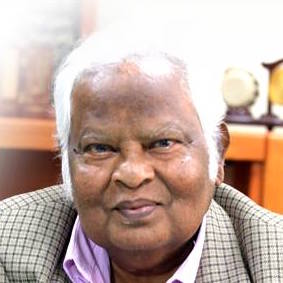
Basil Fernando
Gunadasa Amarasekera has written and published a book titled ‘Sabyathwa Rajyak Kara’ (Towards an Ethical State), and around the same time I have written and published a book under the title ‘Dharmasokage Dhamma Prathipaththtia saha Prajatanthrawadi watinakama’ (Policy of Dhamma of Dharmasoka and Democratic Values). In this article I will try to show similarities and differences of ideas found in these two books. The basic ideas contained in Gunadasa Amarasekera’s book are as follows;
At the very early stage of history of Sri Lanka we could observe the rising of the ethical state and the basic character of that state is described thus. The outline of the ethical state that we were successful in developing came with the reception of Buddhism in Sri Lanka. Mahinda Thero besides Buddhism brought the Buddhist state structure created by Emperor Asoka. In association with that we were able to develop our won ethical state – a Sinhala Buddhist state structure. (my translation) According to Amarasekara “this ethical state remained unbroken up till the coming of European foreigners and in particular the British and a construction of a state structure of their own in Sri Lanka.
According to Amarasekera the state structure developed by the British is unsuitable for Sri Lanka; democracy, system of parliament, and similar introductions by the British were based on their own nation state which was developed in their country through several centuries. What is suitable for Sri Lanka is the rule by a single ruler which was what prevailed during the time of the kings. On that basis executive presidential system is a suitable system for Sri Lanka. The movement led by Sobhitha Thero to abolish the Executive Presidency was a misguided movement.
Amaraekera states, that Sri Lankans should go back to the ethical state which was created in the early part of their history. On that historical basis S W R D Bandaranaike and the Sri Lanka Freedom party which he represented a rule which is suitable to Sri Lanka. It was Chadrinka Bandaranaike who distorted this. One who once again represented a leadership which is suitable for Sri Lanka was Mahinda Rajapaksa.
The ideas that I have represented in my book: “The policy of Dhamma of Dharmasoka and democratic values”, are as follows;
The development of an ethical state in Sri Lanka in the early part of its history, took place on the basis of Dharmasoka’s policy of Dhamma. What this policy of Dhamma meant has been revealed in great detail through contemporary research. The great Indian historian Romila Thapar in her book Asoka and the Decline of Mayuryas” has described in detail Asoka’s life and the policies he pursued. In this book entire chapter is devoted to describe his policy of Dhamma. The following quotes from this chapter throws light the Dhamma of Asoka.
