

The Monetary Board’s wake up from slumber while hunting a whistle-blower
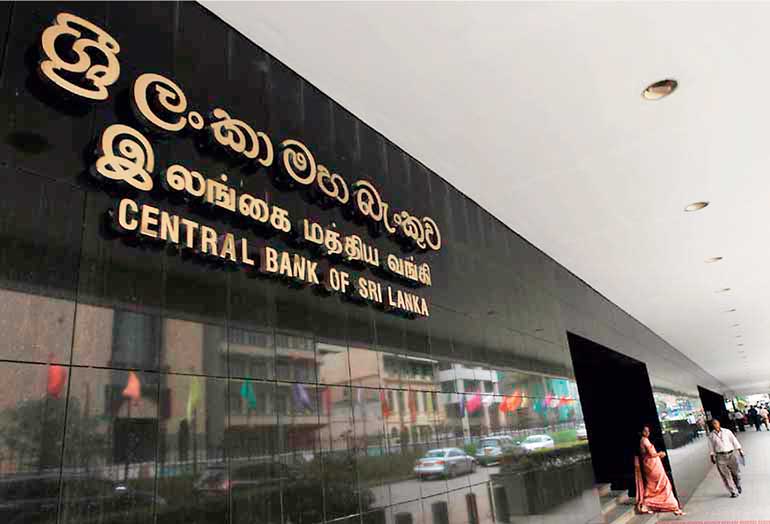
In two press releases issued last week just four days apart, the Monetary Board of the Central Bank has shown that it is now ready to stand up to its responsibility by the nation.
 Monday, 17 October 2016
Silencing a whistle-blower
The first press release was issued after many days of a whistle-blower releasing a confidential draft on-site examination report on the controversial primary dealer, Perpetual Treasuries, to the market (available at: http://www.cbsl.gov.lk/pics_n_docs/02_prs/_docs/press/press_20161010es.pdf). Obviously, the Board cannot admit in public that it was a report being prepared in the Central Bank. But, it had indirectly admitted its authenticity when it had said that it was still an unfinished report, not authorised to be issued to the public and not yet considered by the Monetary Board.
 The leak of the report had been an embarrassment to the Board because the leaked report had bared so many bond transactions considered to be improper, irregular and questionable. This is contrary to the stand taken by the Board throughout that there was no impropriety in the Treasury bond deals made by the primary dealer in question. Therefore, to put a stop to such leaks in the future causing embarrassment to the Board, it had taken action to strengthen the Bank’s internal procedures.
However, this action was not sufficient because of the existence of a whistle-blower under its nose encouraging other would-be whistle-blowers as well. Hence, it had to give a warning to them that the Board would not take whistle-blowing lightly. To do so, the current whistle-blower should be nabbed and dealt with legally. Accordingly, the Board had announced in a warning tone that the case had been referred to law enforcement agencies, in this case, the Criminal Investigations Department or CID.
Whistle-blowing on Perpetual Treasuries
When the information contained in the leaked report became public, there was wide condemnation of the past inactivity of the Board in the media and by civil rights activists. This writer, while documenting the history of the case in an article published in this series last week, indicated that the report, despite not being vetted or approved by all the approving authorities in the Bank, contained a wealth of raw data for any knowledgeable analyst to draw judgment about how the primary dealer in question had operated in a very thin market (available at: http://www.ft.lk/article/572608/Whistle-blowing-on-Perpetual-Treasuries--Embarrassing-but-vindication-of-CB-s-supervisory-staff).
The raw information was shocking and pointed at other places where such improprieties had taken place such as EPF, a fund under the control of the Monetary Board.
The concerned Monetary Board
Read More
 Monday, 17 October 2016
Silencing a whistle-blower
The first press release was issued after many days of a whistle-blower releasing a confidential draft on-site examination report on the controversial primary dealer, Perpetual Treasuries, to the market (available at: http://www.cbsl.gov.lk/pics_n_docs/02_prs/_docs/press/press_20161010es.pdf). Obviously, the Board cannot admit in public that it was a report being prepared in the Central Bank. But, it had indirectly admitted its authenticity when it had said that it was still an unfinished report, not authorised to be issued to the public and not yet considered by the Monetary Board.
 The leak of the report had been an embarrassment to the Board because the leaked report had bared so many bond transactions considered to be improper, irregular and questionable. This is contrary to the stand taken by the Board throughout that there was no impropriety in the Treasury bond deals made by the primary dealer in question. Therefore, to put a stop to such leaks in the future causing embarrassment to the Board, it had taken action to strengthen the Bank’s internal procedures.
 However, this action was not sufficient because of the existence of a whistle-blower under its nose encouraging other would-be whistle-blowers as well. Hence, it had to give a warning to them that the Board would not take whistle-blowing lightly. To do so, the current whistle-blower should be nabbed and dealt with legally. Accordingly, the Board had announced in a warning tone that the case had been referred to law enforcement agencies, in this case, the Criminal Investigations Department or CID.
Whistle-blowing on Perpetual Treasuries
When the information contained in the leaked report became public, there was wide condemnation of the past inactivity of the Board in the media and by civil rights activists. This writer, while documenting the history of the case in an article published in this series last week, indicated that the report, despite not being vetted or approved by all the approving authorities in the Bank, contained a wealth of raw data for any knowledgeable analyst to draw judgment about how the primary dealer in question had operated in a very thin market (available at: http://www.ft.lk/article/572608/Whistle-blowing-on-Perpetual-Treasuries--Embarrassing-but-vindication-of-CB-s-supervisory-staff).
The raw information was shocking and pointed at other places where such improprieties had taken place such as EPF, a fund under the control of the Monetary Board.
The concerned Monetary Board
Read More
