

The OMP – A Flawed Attempt To Deal With Complaints Of Disappearances And/Or Missing Persons In Sri Lanka

By M.C.M. Iqbal –September 19, 2016

M.C.M. Iqbal
To say that the Office of Missing Persons (OMP) is a flawed attempt even before the Office is established would sound ridiculous. But the path taken to enact the law creating it and the provisions that got into the Act in the midst of a hullabaloo in the Parliament of Sri Lanka makes such a statement plausible.
As a person who was once directly involved with commissions of inquiry into disappearances of persons (COIs) set up by former President Chandrika Bandaranaike, the writer avariciously read Kishali Pinto-Jayawardena’s writings in the Sunday Times and other material on the pros and cons of the OMP Bill which was enacted as Act No. 14 of 2016.
As she points out quite rightly, the Office of Missing Persons (OMP Act No. 14 of 2016) is going to be the first permanent body ‘tasked with searching and tracing missing persons’ established without a time frame. Previous COIs had a time frame both for the life of the commission and for the period of the incidents they could inquire into. Other than that, they too had the power to summon witnesses, access records, obtain information from detention centres and even accept evidence that did not fall within the limitation of the Evidence Ordinance.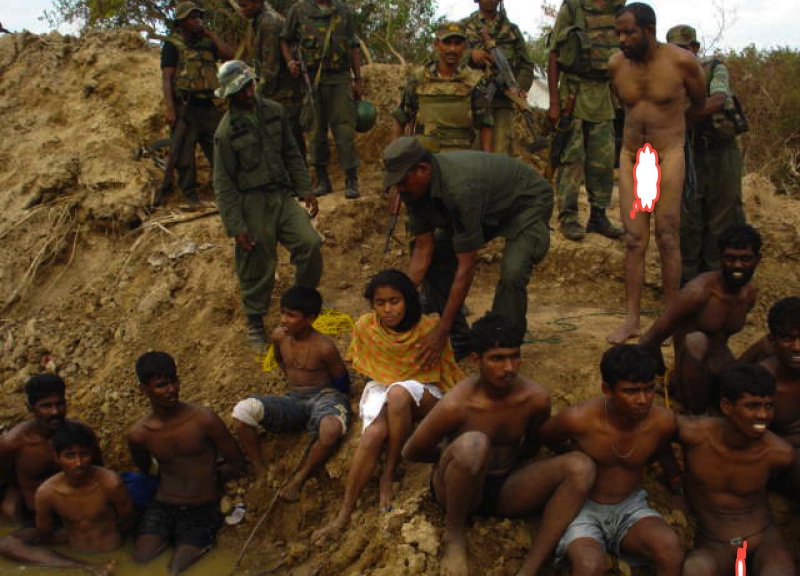
Yet, as is widely accepted now, all these Commissions failed in their tasks. From the writer’s personal knowledge of the COIs in which he was Secretary, not all these bodies are to be blamed for their failure. These COIs laboriously prepared comprehensive reports with appropriate recommendations. Yet the findings of these COIs were not made available to the public in their entirety.
What was then published were the volumes that contained the observations and recommendations of these COIs and not the list of alleged perpetrators against whom the Commissions found ‘credible material indicative of their responsibility for the disappearances concerned’ and the other volumes that contained their findings under the following Terms of Reference (TORs) of the Commissions –
