

‘Rekava’ – One Film, 60 Years


Uditha Devapriya
Films are made. They age. They are as subject to decay as other art-forms. Explains why, at the end of the day, very few are remembered. Those few, I’m willing to bet, would have been cast aside, marginalised, looked over, and in other ways rubbished, because they were unconventional for their time. Makes sense. People thought Picasso was mad. His paintings don’t fetch for anything less than 100,000 dollars today.
Madness and unconventionality, we can conclude then, are hallmarks of genius, in films and paintings and pretty much every other art-form man invented in this world of ours. This is a story of one such film, made here and considered ahead of its time.
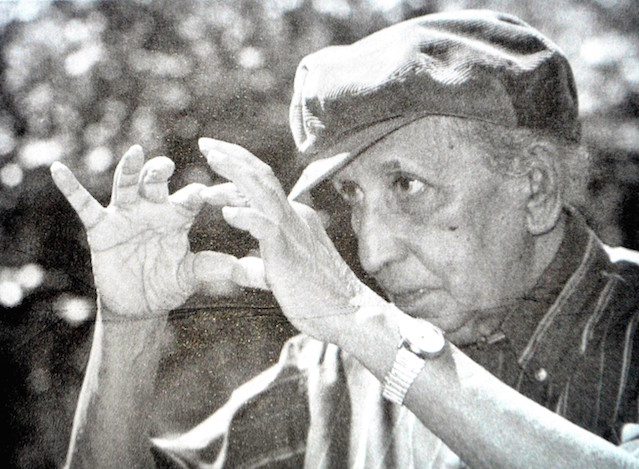 Some say our cinema was born in 1947 (with a “broken promise”, apparently). That’s true. History begins with a whimper, though. History is created, on the other hand, with a bang. That “bang” came up in the form of a group of escapees from the Government Film Unit, “fugitives” you could say, who got together and filmed a story which remains un-erasable from our cultural history. “Rekava”, the first real Sinhala film to be made on our soil, was released 60 years ago this year.
“Rekava”, one of those works of art in this country which need no introduction, was footnoted in its day. Time and time again, I have heard of how this simple film, with its unconventional, yet simple theme, was rubbished by both audiences and critics. It curried favour with European critics, however, won for Lester Sri Lanka’s first nomination for the Palme d’Or at Cannes, and became a catalyst for the 20 other films he’d make over the next 50 years. And yet, when I see it today, I am neither surprised nor anguished at the fact that our people initially ignored it.
