

Clearing The Debris Of Communal Strife From Our Education

Revisiting Tamil Self Determination – Part VI
The article by Laksiri Fernando the series started with, speaks of the importance of public awareness and education in reconciliation. But is our educational establishment anywhere near equal to this task?
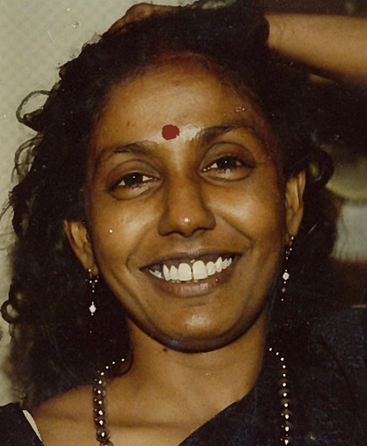
Dr. Rajani Thiranagama
Unfortunately the higher education institutions lost their vitality in creating spaces for new ideas and social activism. They failed at leading the country towards social justice and ethnic peace. The first thing about education is respect for the nation’s young as architects of our future at their formative age and for the value of their time. Once, as in the case of the Jaffna Youth Congress, left politics inspired confidence and hope for social change in the youth. But the failure of socialist experiments in the USSR and China and those of the traditional left parities in Sri Lanka, led to emergence of youth movements with simplistic slogans. Their use of terror to supposedly advance social revolution, inevitably, caused violent upheavals across the country.
Fernando returns to the theme of education in his commendation of Harper Lee’s classic ‘To kill a mockingbird’ with a quotation from the book “The one thing that doesn’t abide by majority rule is a person’s conscience.” Its hero was a man who took the responsibility of saving the life of a black man ‘at the risk of his professional standing (defined primarily by the white society) and personal safety under mob threats and protest.’
Jaffna University and the Politics of Memory
Dr. Rajani Thiranagama wrote in March 1989 (UTHR(J) Report No.2):
“On another but complementary direction we started a process of self-criticism through dialogue and discussion and tried to re-examine our past and look into the future – not directed by fear, but by fundamental principles of justice to the people. Thus we were critical of local militant groups, both with regard to their terror and murder as well as the actions that create conditions resulting in wanton, purposeless sacrifice of ordinary people.”
