

Gunaratnam & The JVP

By Lionel Bopage –January 19, 2016
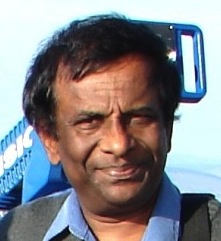
Dr. Lionel Bopage
When I left the JVP in February 1984 after submitting my letter of resignation, not a single issue raised therein had been taken up for critical discussion among the leaders or members. However, later came a lot of personal slander against me. During this time, a lot of falsification of history and personal slander had been used as weapons to destroy the political line I held. With time, the letter of resignation came into the public domain, and the JVP could not sustain its personal slander campaign in the longer term, but had to open up the ideological and practical issues, particularly related to the national question that I had raised in my letter. Still, the JVP did not reject the fact that I was part and parcel of the JVP until I tendered my resignation.
As was done in the Soviet era, certain previous writings, photographs and publications had been destroyed, suppressed or edited. In the latter part of the eighties, political opponents had been eliminated. For example, the JVP suppressed publications made in the latter part of the seventies and the early part of the eighties, such as, Comrade Rohana Wijeweera’s Avasthavadayada? Nirdhana Panthi Jathyantharavadayada?[1](Opportunism or Proletarian Internationalism?), Mine Jathika Gataluwa Gana Marxvadee Vigrahayak (A Marxist Analysis on The National Problem)[2], JVP London Branch’s The Constitution of Sri Lanka and the National Question[3], the original songs of Vimukthi Gee[4] (Songs of Liberation), the original photos of JVP rallies and marches etc.
 The state led by President J R Jayawardena used Black July riots in July 1983 against Tamils as a pretext to ban the JVP. This drove the JVP underground and led to the subsequent episode of killings and reprisal killings by the armed wings and para militaries of the state and the JVP. The then UNP regime has been blamed for killing 60,000 youth during the 1988-89 insurgency, while the former leader of the JVP admitted nearly 6,000 people had been killed due to the JVP violence. The current leader of the JVP has apologisedover these killings during the 1988-89 period.