

The Sampanthan Hour
By Chaminda Weerawardhana –September 8, 2015

Dr. Chaminda Weerawardhana

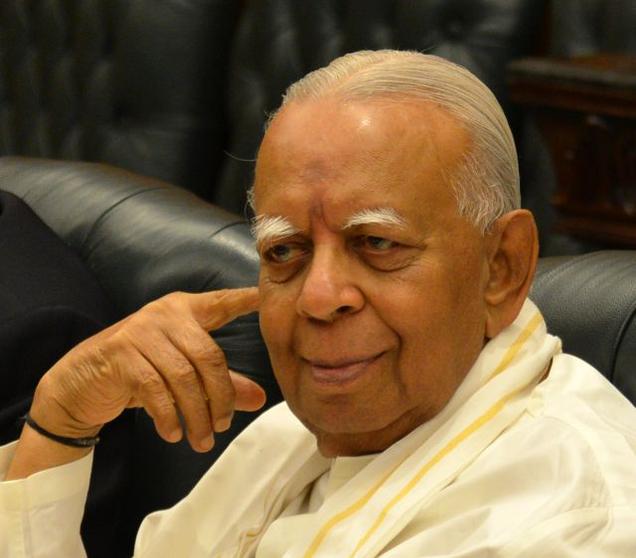
Rajavarothiam Sampanthan MP (RS) has been appointed as the Leader of the Opposition of the Eighth Parliament of the Democratic Socialist Republic of Sri Lanka. MP since 1970, RS also deserves the title ‘Father of the House’. Even analysts not generally sympathetic to the political ideology of Tamil self-determination concur that RS has a track record of acting with decorum and dignity in debate. This also applies to his party colleagues, who, unlike many a Sinhalese and Moor MP, conduct themselves gracefully inside and outside Parliament.
TNA: the strongest ‘Tamil’ voice?
Since the War’s end, the RS-led TNA has been successful at each and every election held in the two provinces. The absence of credible political alternatives, other than the EPDP that tarnished its reputation through its [in Tamil eyes] unholy alliance with the Rajapaksa regime, UNP’s Vijayakala Maheswaran factor in Jaffna and the SLMC in the East, there is no political movement in the two provinces that can equal, in any significant terms, the TNA’s electoral strength, the reasons for which ought to form the topic of a separate article.
 Some Sinhala nationalists question RS’s positions on the rights of his community, his emphasis on ensuring the Tamils’ political aspirations and right to live as equal citizens. That RS’s voice on the rights of his people needs to be heard, respected and honoured is a given. It is the primary means through which, post-war, the dignity of Tamil society can be restored and more importantly, the Tamils’ position as full-fledged citizens of Sri Lanka can be enhanced and enlivened. Those being elected to Parliament by Tamil voters have every right to raise issues that concern their voters, constituencies and electoral districts.