

A New Growth Paradigm ?
By Ranil Senanayake –August 15, 2015
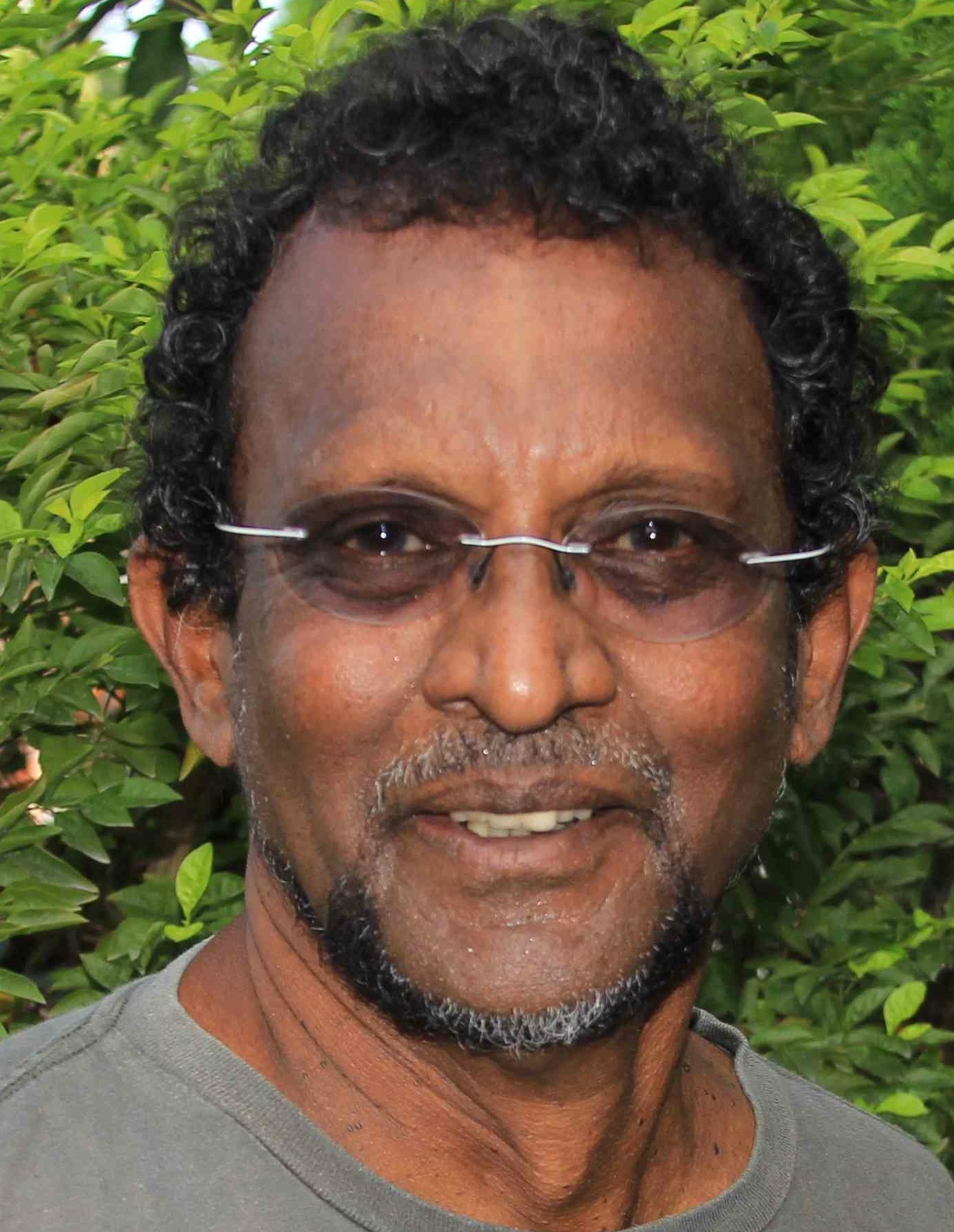
Ranil Senanayake

Any discussion on ‘ Economic Development’ as a national goal, must demonstrate a perspective strongly rooted in modern science. It must take into consideration the reality of the current global crises. It must also understand the history of the crises. In doing so, we might find a way out of the current impasse between economic growth and planetary stability
Life on Earth learnt how to maintain gas and material flows, optimum for the evolution and sustainability of biodiversity. Carbon Dioxide, although essential to the process of life, was often introduced into the atmosphere by volcanic processes at disruptive levels, throughout geologic history. But the gas has not concentrated in the atmosphere, because it was sequestered by living things and put away out of circulation from the biosphere of living carbon, so that the environment was stable for life. This store of carbon was fossilized and has been slowly accumulating over the last few hundred million years and has acted as the storage of excess carbon.
In our rush to create the new petroleum and coal driven economy, this very simple and fundamental fact has been ignored. Carbon that cycles through living systems represents a fixed proportion of the planetary carbon, one part solid, like the carbohydrates in trees and one part gas, as in atmospheric Carbon Dioxide gas. If excess Carbon Dioxide enters the atmosphere through tectonic processes such as volcanism, photosynthetic activity removes this excess carbon dioxide from the biosphere and that excess is deposited as fossils to enter the lithosphere (rocks), never to interact with the biosphere again. This deposition is translated into vast quantities of fossilized carbon that has been removed from the biotic/atmospheric cycles. Unlike the biotic cycles of Carbon that stay deposited for tens of thousands of years. The fossil pools have deposition lifetimes of tens or hundreds of millions of years.
There have been fluctuations of Carbon Dioxide in the atmosphere in the past but equilibrium was gained and balance was restored. All this was long before humans.
The first human driven change that affected the local and regional climates was the massive loss of the global forest stock with the advent of colonization. This loss represents a debt to every nation that lost its forests as well as a debt to planetary atmospheric equilibrium. This debt can be settled by re-establishing the sequestered stocks of carbon that were lost by reforestation. But once this debt is settled there will be no more room on this planet to plant more trees to sequester the fossil carbon that is currently being released so irresponsibly.
