

Maithripala, Ranil & The Democratic Aspirations Of The People

By Sumanasiri Liyanage –June 15, 2015
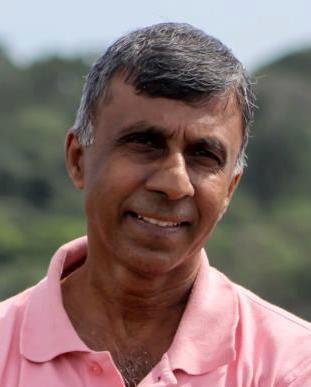
Sumanasiri Liyanage
One of the main reasons why the people in Sri Lanka decided to toppleMahinda Rajapaksa regime on January 8 was its excessively authoritarian character in governance. Hence, people expected more democratic governance from the new regime. What we understand by ‘democratic change’ may be problematic as democracy is, as Wendy Brown says, “among the most contested and promiscuous term in our modern political vocabulary” (Undoing the Demos). She further writes: “In the political imaginary, ‘democracy’ stands for everything from free elections to free markets, from protests against dictators to law and order, from the centrality of rights to the stability of states, from the voice of the assembled multitude to the protection of individuality and the wrong of dicta imposed by crowds.”
It is true that at macro level the new regime was able to implement long overdue constitutional reforms reducing the power of the executive presidency (19th Amendment) and changing the electoral system (proposed 20th Amendment). These two amendments, albeit half-baked in nature, may have positive implications in macro-democratic environment in the country that was paralyzed by the enactment of the second republic constitution of 1978. Nonetheless, the question remains as to what extent these macro-democratic reforms would change the general environment of governance. Has the way in which politicians, judiciary, police and the bureaucracy operate in real practice changed as a result of these reforms? If I put it another words: Can we see a beginning of a process of inversing the ‘real’ world practice of nearly 4 decades? Of course, it is too early to forecast what would actually happen in the future. But my submission in this article is that the current trends signify not a reversal of the process but a continuation of the past process.

