

Banning Active Politics For Buddhist Monks

By Gamini Jayaweera –May 22, 2015
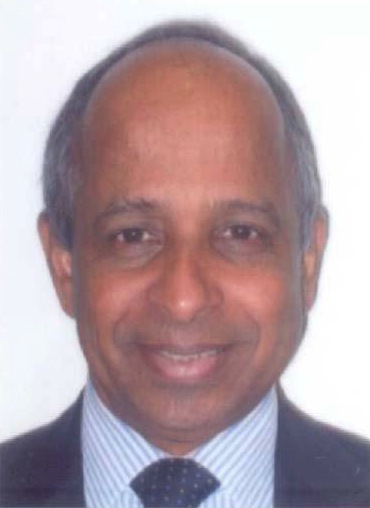
Gamini Jayaweera
It was with real happiness and great relief that we read in the Sri Lankan newspapers some time ago that most Venerable Ahungalle Sri Vissuddhi Maha Thero had banned the Buddhist monks of Amarapura Sri Saddharma Vansika Nikaya from engaging in active politics such as contesting elections, speaking in political meetings, and participating in political demonstrations etc. Sadu! Sadu ! Sadu ! Buddhists in Sri Lanka were expecting other prominent Buddhist Monks in Sri Lanka would follow suit and make some public announcements to that effect. Though there was lukewarm response from the clergy and the general public to this very important issue, silent majority of the clergy and the general public desperately want some action to be taken by the responsible people to ban Buddhist monks’ engagement in active politics.
The announcement by the most Venerable Ahungalle Sri Vissudhi Maha Thero was the most significant and long overdue action which had been taken by a section of the Noble Sangha to ensure that Sri Lankan Buddhists will not become the laughing stock of the world due to the pathetic behaviour of some (minority) of the so called “Buddhist Monks”. The Time is right for all practising Buddhist Monks, Nuns, Upasakha, Upasikha, and the government of Sri Lanka to take a collective decision to support the Noble Bhikkus and Bhikkunis to implement this very important action to impose and maintain the long established Discipline (Vinaya) and to protect the pure Doctrine (Dhamma) from the so called “Sangha” minority who are behaving disgracefully, inappropriately and in an offensive manner.
Buddhism Vs Politics
Buddhism is well known all over the world as a “Way of Life”. The Bhikku Sangha was set up by Lord Buddha for Bhikkhus to become inspirational leaders by learning, practising, and developing certain perfections such as Generosity, Morality, Renunciation, Wisdom, Patience, Truthfulness, Determination, and Loving kindness to total completeness and teach the Doctrine (Dhamma) to all human beings, regardless of their status in society. These teachings will guide lay people to develop their mental qualities such as unbounded loving kindness, compassion, sympathetic joy, mindfulness, virtue, and wisdom to follow the path in achieving the complete freedom of the mind. Buddhism defines the way to develop moral, spiritual and intellectual training that are required for a Buddhist Monk or a lay person to achieve his ultimate goal of Supreme Enlightenment (Nibbana).
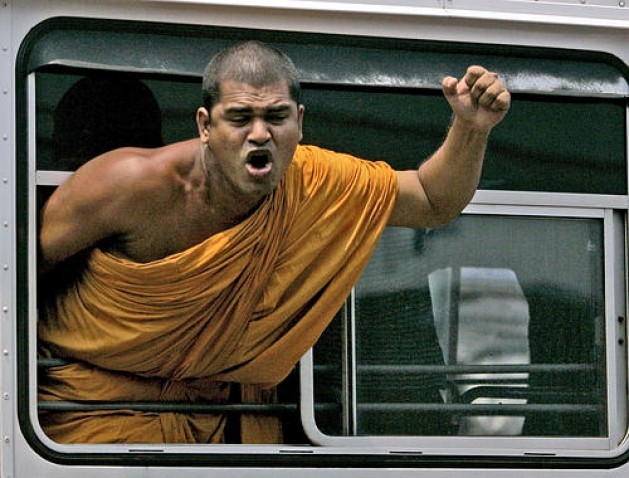 Politics has been defined as the profession which devotes its energy and time for governing and dealing with political affairs. In Webster’s Dictionary politics has been divided into two areas, namely the science of government and the management of a political party. As Webster describes politics include inter-alia protection of the country’s existence against foreign interference, maintenance of security, safety, peace and harmony, preservation of democracy, development of economic prosperity, management of a political party, and acting deceptive ways as and when required to defend a favourable outcome of the party’s candidates.