

The Precarious Government & Parliamentary Election

Dr S.I. Keethaponcalan
President Mahinda Rajapaksa, like it or not, provided Sri Lanka with what could be termed an autocratic stability, which helped the country in terms of foreign investment. The Chinese and other investors felt safe pumping their resources into the system. However, the change of government in January 2015 had the potential to push the country into a state of instability. This seems to have come true with the current tussle over the issue of dissolution of parliament and the general election. The political system is now operating in a peculiar set of realities and philosophies. A minority government is in place while the party that commands absolute majority in the national legislature operates as the main opposition without making a big fuss about it.
Partly due to this complicated reality, Prime Minister Ranil Wickremesingheand his government want parliament dissolved in April so that a fresh election could be held this year. The Sri Lanka Freedom Party (SLFP), which still commands the majority in parliament, opposes the dissolution and its leaders have indicated that they are ready to form the government if Ranil Wickramesinghe resigns in April.
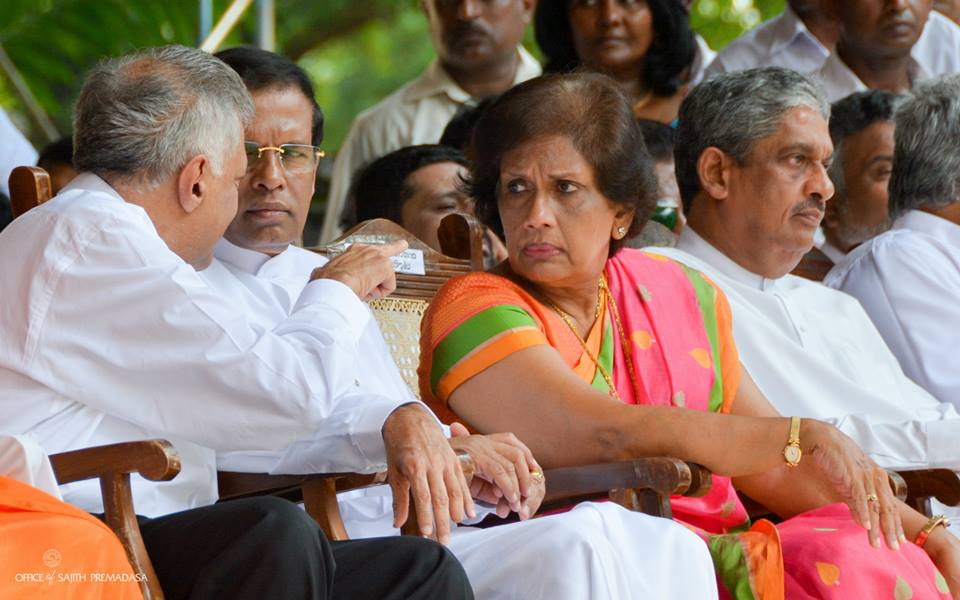 President Sirisena, who has the constitutional authority to dissolve parliament, seems to be facing a dilemma between his party and the voters who elected him to power. Conflicting Contradictory reports are emerging from Colombo. Some suggest that the president is leaning more towards a late election while others point to the desire to comply with the United National Party (UNP) plea. Therefore, presently it is not clear whether the election will be held this year or after its term expires in 2016. The timing of the election could also have an impact on the outcome. Therefore, this issue leads to uncertainty and perhaps a sense of instability.
The Election Read More
