

Expectations And The Disappointments Of The New Government


DNR Samaranayaka
The new coalition government formed on January 9, 2015 has just completed its first month, and this leaves only a little more than two months before the parliament is dissolved. During the election campaign, a number of issues were highlighted against Mr Rajapaksa, and they were extensively used as key weapons to challenge the former regime. The propaganda against the former president helped Mr Sirisena to obtain a majority of 2,043,977 in 2015 compared with the vote received by Mr Sarath Fonseka in 2010.This majority reflects the reality that the vote for Mr Sirisena is essentially a vote against Mr Rajapaksa.
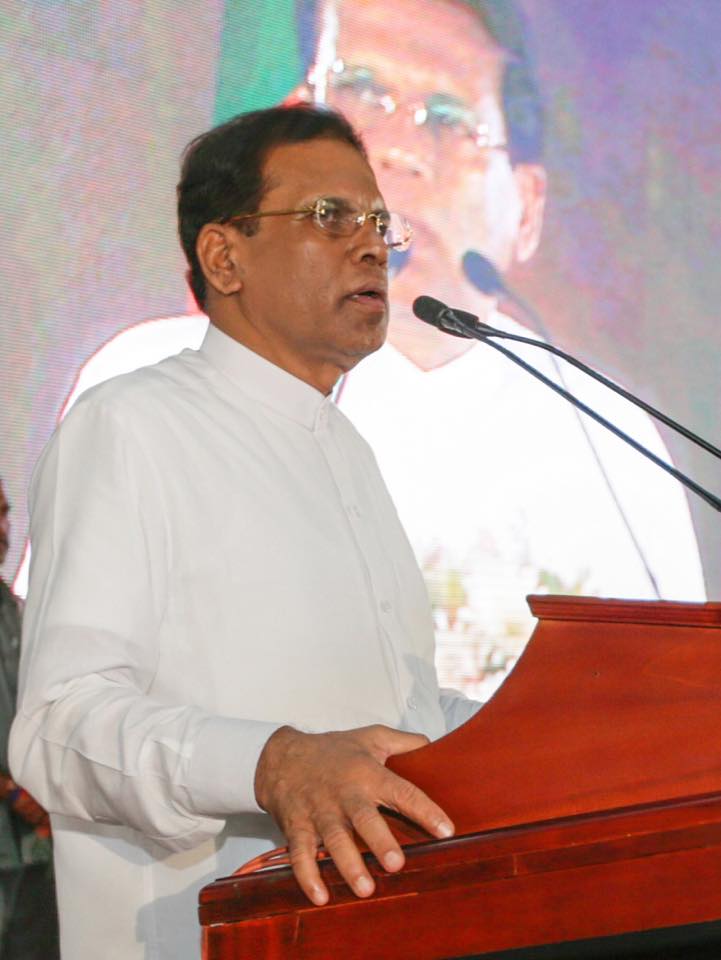 Since the formation of the new government, a number of positive developments have taken place and the interim budget has provided some degree of relief to the people. However, a lot more will have to be done to ensure that its commitment to the people is not undermined. If the new government fails to deliver the promises that its leaders made during the election, the confidence in the new government will be affected, and its popularity too will experience a significant fall. The Rajapaksa administration was thrown out of office because of corruption, nepotism, and authoritarian rule, but the leaders in that administration are not responsible for the failure of the new government as they are no longer in power. The new government promised the people that it would eradicate political corruption, address the ethnic problem with a view to achieve a lasting solution, and practice good governance. The following is a brief review of the performance so far.
The 100-Day Program Read More
