

Empower The Proposed Commission On Corruption

By R.M.B Senanayake –February 12, 2015
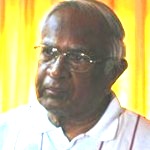
R.M.B Senanayake
Empower The Proposed Commission On Corruption And Enlarge Its Scope And Mandate
The Government has rightly decided to appoint a Presidential Commission of Inquiry into the many allegations being made against the former regime- the President and his family as well as the Ministers. There are allegations of massive amounts of public money being used for the personal benefit of the ruler and his family. There are allegations of giving contracts on unsolicited offers, of violations of tender procedures, of paying out massive sums on contracts unrelated to their costs, of favoring cronies and enjoying commissions and receiving kickbacks from contractors etc. All these are unacceptable forms of corruption but where is the law that makes them crimes? The UN Convention on Corruption specified several of these financial malpractices to be criminalized. But past governments did nothing about such recommendation. There is no legal accountability of the President and the Ministers for such acts of corruption since the Financial Regulations are issued by the Treasury and Ministers have considered that they were not bound to follow them. No MP or Minister has ever taken responsibility for the financial misdemeanors in their Ministry and Departments and resigned from their seats, not even on the reports of the COPE or COPA.
 The World Bank drafted a law called the Public Finance Act 2002 which fixed financial accountability on the Minister of Finance for the financial management and accountability of the State Corporations and government owned undertakings. The law was not passed. It fixed financial accountability on the Minister of Finance who is the President himself. It envisaged the issue of Regulations under the Act and the Ministers could have been made accountable for failure to follow the Financial Regulations. They could then be surcharged and where there was clear dishonesty they could be sent to jail.
If the Government is serious about tackling corruption and conflict of interest it must bring in the necessary legislation recommended by the UN and make it retrospective if possible. I am not aware if Sri Lanka has signed up to the Convention. If not it should do so now. It would help to recover ill gotten gains stashed abroad for there is a procedure for such recovery to be followed. The Government should seek assistance from the UN for technical assistance to implement its anti-corruption drive.
Meanwhile the Government should call for representations from the public about corruption which they are aware of and rewards should be offered to the informants if the information is found to be true. Where there is sufficient evidence of theft, embezzlement etc which are offenses under the law the Police could be directed to file criminal cases against them. A special investigation may be required to probe the frauds alleged by Minister Champika Ranawaka in the CEB and possibly in the CPC as well.
The Commission should be empowered to surcharge the officials responsible if not the Ministers or the President. Officials should not have complied with violations of the Financial Regulations. Unethical links to special contractors who were favored should also be probed. Wherever possible there should be criminal charges against the officials and the power given to the Commission to recover ill-gotten gains. Of course those against whom the allegations are made should be allowed to be present and cross-examine those who give evidence before the Commission. Most of those who indulged in such acts of corruption never considered that they were malpractices and certainly not as crimes. But that is no excuse for them not to be punished and the losses recovered from their personal wealth and failure to repay should lead to a jail sentence. The legal aspect of providing such powers to a Commission may have to be examined. The least is to recover the losses through surcharges.
