

T. Sivagnanam CCS, An Exemplar Among Public Servants

By S. Sivathasan -December 20, 2014
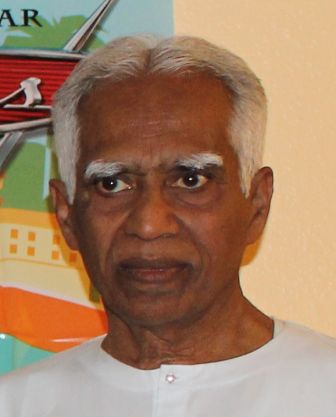
S. Sivathasan
The Ceylon Civil Service was much coveted. Young men of promise sought
entry because of its prestige. The syllabus and the question papers were
forbidding. Marks were weighed more meticulously than by an electronic
balance. High caliber of non-selectees itself added to the mystique of
the Service and an aura to those selected. The exam assessed
intellectual capacity and versatility. The interview tested mental
flexibility and language fluency. The very system of objective choosing
through competition brought the cream to the centre of administration
and into limelight. No less to responsibly share power and to join in
governance. Among the better ones, thoughts of power and prestige faded
against the opportunities that were offered. To those yet higher,
achievements of the best ones were more alluring to emulate.
The first Ceylonese to enter through open competition was Ponnambalam Arunachalam. About 72 years later,T. Sivagnanam entered
its portals around 1950. Born in far off Tellipalai in the North, he
made St. John’s College proud with his performance. My Father was elated
then, having taught him Tamil and Latin. Twenty years later a benign
destiny brought me to his Ministry of Land Irrigation and Power. The
time was February 1970. CP de Silva was Minister and M. Srikantha was
Permanent Secretary. T. Sivagnanam was Senior Assistant Secretary, on
whom much responsibility devolved. Yet it sat very lightly on him.
May 1986 – The Death Of The Tamil Struggle And A New Rationale For Massacres
By Rajan Hoole -
Dr. Rajan Hoole
Border Aggression and Civilian Massacres – Part 12
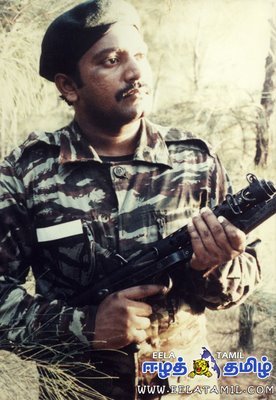
In early May 1986, the LTTE used the tactics of surprise and
ruthlessness to wipe out the fraternal militant group TELO. Young boys
from the Eastern Province who did not know where to run in Jaffna were
brutally attacked, and the dead and dying were burnt at street junctions
by LTTE militants who looked on remorselessly as if under the influence
of drugs. There was that opportunistic segment, particularly from the
intellectual elite, looking for ways to court the LTTE as they had
earlier the TELO leader who was thought to be India’s favourite. But
ordinary decent people were dumbfounded and distressed. Thoughts like
‘we have produced out own Hitlers’ and ‘Anuradhapura has come home’
escaped their lips. There was also a sense of hopelessness about the
Tamil struggle. The LTTE found itself having to make public
announcements by loudspeaker that no one must discuss or examine what
had taken place.
 This
was one step. In time, the LTTE would tell them that they had no rights
over their chil- dren barely in their teens. Indeed, they may be
spirited away from the streets to augment the ranks of the Tamil
struggle depleted by fratricide. The people had no rights.
This
was one step. In time, the LTTE would tell them that they had no rights
over their chil- dren barely in their teens. Indeed, they may be
spirited away from the streets to augment the ranks of the Tamil
struggle depleted by fratricide. The people had no rights.
The suppression of the TELO was followed by an aborted Sri Lankan Army
offensive in Jaffna. From the 19th of May to the 24th of July 1986, the
LTTE carried out a series of 8 massacres and 4 bomb or mine blasts on
passenger vehicles, leaving 143 mainly Sinhalese civilians killed. Most
of these attacks were in the Trincomalee District, where a large number
of the TELO militants killed by the LTTE came from. In June 1986 alone
468 Tamils were killed according to the Saturday Review.
