

Nil Balakaya seizes Kahawatte Plantation!
- Tuesday, 23 December 2014

 Poranuwa Estate in Ratnapura, owned by Kahawatte Plantation PLC, a leading listed private estate in Sri Lanka, has been seized by Namal Rajapaksa’s Nil Balakaya and is sinking fast, say people of the area.
Touring Ratnapura recently, Namal asked Nil Balakaya members there for the land, saying that the only job he is familiar with is gem mining. Using the GPS satellite system, they identified Poranuwa estate and Kiribathgala Estate, owned by Agalawatte Plantation Company, as having gem deposits.
When he was told about this, Namal said they could do anything they wished. Overjoyed by his answer, his supporters in Demo Batta vehicles from Embilipitiya, Hambantota, Angunakolapelessa invaded these estates.
Uprooting the richly grown tea bushes, they had removed loads of earth from these estates and taken them to their areas. Other than Nil Balakaya, other government supporters too, have invaded these estates and destroyed the tea plantations. Unable to control the situation, the estate superintendents have complained to deputy minister Premalal Gunasekara alias Choka Malli, who represents the area. He had come to the area along with the police and tried to stop the destruction, when Namal’s supporters threatened him, “Mr. minister, if you stop this, we will not vote for the government.” Due to these threats, Choka Malli beat a hasty retreat.
As a solution, Kahawatte Plantation is to handover Poranuwa Estate to the Gem and Jewellery Authority to be auctioned, a top executive officer of the company told ‘Lanka News Web.’
The Opposition Manifesto Is A Mere Shopping List
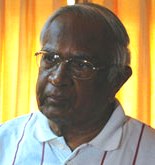
R.M.B. Senanayake
 The Opposition Manifesto is a mere shopping list. It does not reflect any understanding of the problems likely to be faced in 2015. MR understood these problems – the vulnerability on the foreign debt repayment, the increasing current account deficit in the balance of payments, the need to borrow to fund it from foreign loans and the failure of the infrastructure investment program to improve the living standards of the people. So he decided to hold the presidential election in 2015, two years before it was due.
Flawed Economics
 Perhaps the Opposition thought the primary goal should be “Carthago delenda est.( Carthage must be destroyed).So it seems to match or outdo the giveaways promised by President MR in his last budget. So the economic aspects of the Manifesto are badly flawed and inadequate. It promises to raise the salaries and pensions of government employees; increase Samurdhi by 200% which is paid not only to the genuinely poor but to over 50% of the population. These salary increases to government employees are not linked to any measures to increase productivity. Increase of Mahapola Scholarship by Rs 500, pension schemes for 3 wheeler drivers, carpenters, farmers’ fishermen etc (hopefully they will be contributory pension’s scheme.) are other goodies. The present non contributory pension scheme for government employees is a huge burden. MR recklessly converted the contributory pension scheme for new employees to the public service to the present unaffordable non-contributory pension scheme in 2009. What is required is to restore the contributory scheme. The losses in State owned undertaking must be eliminated either by eliminating the inefficiencies and corruption, either sold to the private sector or closed down altogether if there are no takers. This is what China did in the 1990s. She closed down the loss-making enterprises and sacked a large number of the government employees. There is no other way to promote economic growth. The Manifesto says the allocation for Education will be increased to 6% of GDP- impossible without cutting elsewhere and there is no scope for cutting since the entire Tax revenue is not enough to pay the salaries and pensions and the interest on the outstanding debt.