

What System Should Rule?: Amassing People’s Power To Restore Democracy In Sri Lanka

By Athulasiri Kumara Samarakoon -November 28, 2014

Athula Samarakoon
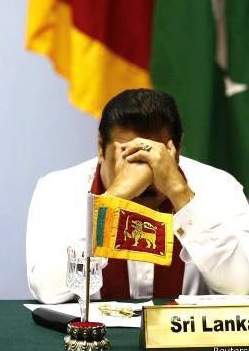 What is the basic question of politics at the national level today? Should we agree that it is a question about the type of person(s) who should rule? Or the type of the system which we should create if we agree that the current system is so corrupt and looks so tyrannical. In other words, can we rationally think that the executive powers vested in Presidency will be used wisely by ‘a wise man to come’? After all, are all our people wise enough to elect such a wise man, if he is around us? Therefore the basic question of politics, today, would be about the system that should rule? And not ‘who should or would rule?’ On the other hand, how possible it is for us to reform this rotten system, which can easily corrupt ‘wise people into despots’, unless we can guarantee peoples active participation which should be defined something more than the normal voting behaviour of them aimed only at a replacement of leaders. For a system change a majority is not enough but the majority’s victory has to accompany a large scale people’s movement that can struggle for reforms with the people and against all other elements that will possibly stop at the green light of power, or against the forces that will come to thwart the struggle for reforms.
Ideally, the rulers should get into institutions which they themselves cannot define according to their whims and fancies. We have so far failed to create such a system which is well balanced at all levels of the government, namely, the executive, the legislature and the judiciary. Today, Sri Lanka’s democracy cannot properly function at all, at all these three levels, because the Presidency is not balanced and is the single most powerful institution, while other institutions remain basically impotent. The challenge before us therefore is not only about how or with what forces we can defeat a regime which has already turned despotic due to the system’s loopholes, but turning the majority who would elect the alternative President into a large scale mass movement for reforms; because such a movement has just begun to grow and has a long way to go. The ultimate goal is not a victory for the common candidate, but victory for a common aspiration, a better system and corruption free government.
