

Post Colonial Era And Bifurcations Of Countries, Is Sri Lanka An Exception?
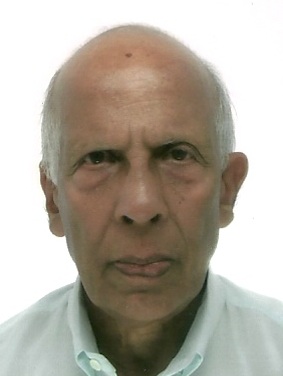
Dr. G K Nathan
 The fifth anniversary of Sri Lanka’s military victory against Tamil Tigers on 18 May 2009 will be celebrated by Sinhala Nation, but the Tamil Nation worldwide will commemorate the loss of loved ones and demanding equal rights between Nations, which demonstrates the country remains divided and Sinhala-Tamil conflict remains unresolved. At the end of military conflict, there was a golden opportunity to resolve the long standing conflict by establishing accountability for alleged war crimes and crimes against humanity and to bring reconciliation between the divided peoples. Sri Lanka, has failed to pay heed to the international call for accountability and reconciliation, which would have brought peoples together, but continuing to have grand plans to celebrate the military victory, at the same time, rights to others to commemorate the loss of their kith and kin during the conflict are being denied in Sri Lanka, even in places of worship. There will be worldwide commemoration of the same event by Tamil Diaspora with the support from members of the International community, demanding justice and reparation for the victims of conflict, accountability for war crimes and crimes against humanity, leading to reconciliation between both Sinhala and Tamil Nations.
After the Second World War ended in 1945, many countries in Asia and Africa gained independence from the occupying colonial powers; started with India in 1947, then Sri Lanka in 1948 and others followed. The USA was a dominant member of the victorious allied forces of the Second World War and its anti-colonial stanceimpacted on the granting of independence to Asian and African countries. Following the USA liberation, which is commemorated on July 4, 1776 and others followed; in the 19th century all South American countries and Canada became independent. The first country to become free in the 20th century was Australia which became a federation of six states on January 1, 1901, followed the path pursued by the USA and Canada; all three federations, brought unity between peoples and successful democracies. But the liberation of Asian and African countries was delayed by intervening World Wars I and II. When countries became decolonised, borders were drawn by colonial powers, without considering their past histories and/or providing suitable constitutional structure so that all Nations within, could enjoy equality. The inadequate constitutional arrangement at the time of independence of Ceylon (Sri Lanka in Sinhala and Illankai or Illam in Tamil) in 1948 from Great Britain, which is multiethnic, multilingual and multireligious, sowed the seed of dissent between the Sinhala and the Tamil Nations, with long, distinct and proud history behind each of them. Countries that were decolonised after the Second World War: some prospered, while others were engulfed in internal violent conflict between peoples, which stifled economic growth and faced severe hardship in many fronts. In few countries, political power was grabbed by authoritarian rulers and faced external intervention leading to fall of autocrats and in few cases to bifurcation of countries. India has greatly succeeded in demonstrating, how a multiethnic, multilingual, multireligious country, being free and democratic, can prosper and secure peace by sharing power with all Nations within the country. Sri Lanka failed to emulate the closest neighbour, but policy followed by Sinhala Buddhist majority concentrated power in the hands of the majority, which led to long standing ethnic and religious conflict between Nations in Sri Lanka. In the recent time Sinhala Buddhists attention is directed at other religious groups, Christians and Moslems with religious intolerance in on the increase in Sri Lanka, the government failed to take action.Read More
